Company Anniversary Celebrations: Tell the Story Behind the Milestone
A company anniversary is a chance to explain why a milestone matters. The number gives the event its name, but the people, work and relationships behind that number give it meaning. A good celebration brings those elements together in a way guests can understand without sitting through the entire company history. It should feel connected to the business while still being enjoyable as an event.
For a Toronto company, an anniversary might be a staff reception, a client gathering, a family celebration or a larger evening with partners. Event Creation’s corporate offering includes planning, branded decor, marquee numbers, photo booths and entertainment. The useful starting question is which part of the company’s story belongs in the room, and how guests will experience it.
Choose the story the anniversary should tell
Begin by separating the calendar milestone from the reason to celebrate it. Five, ten or twenty years may provide a convenient date, but guests will remember the story attached to that date. Perhaps the business has grown with a neighbourhood, developed a particular service or built a team that has stayed through substantial change. Choose a theme that the company can support with real information and that feels relevant to the invited audience.
Do not try to give every year equal space. Select a few moments that explain how the company became what it is today. Ask the internal team to verify dates, names and photographs before they become signs or presentation slides. If a detail is uncertain, leave it out until it is confirmed. An anniversary should preserve the company’s story accurately, particularly when former employees, clients or partners will recognize it.
Decide who the celebration is for
An internal team celebration can be more personal than a public-facing client event. Staff may appreciate photographs of familiar colleagues and references to everyday work. Clients may need a clearer explanation of how the company has developed and what that means for the relationship. Partners may be interested in shared milestones. Choose the primary audience before trying to make one program serve every possible guest.
If you are inviting several groups, create a common welcome and then make space for different conversations. Avoid filling the program with references that only long-serving staff understand. Give enough context that newer employees and guests can enjoy the story too. The invitation should explain the occasion plainly, including whether the gathering is a reception, dinner, open house or another format, so everyone arrives with a similar expectation.
Build the design around a readable milestone
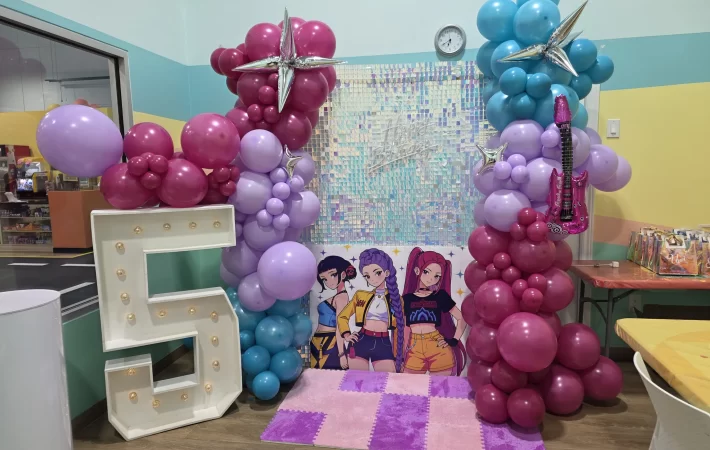
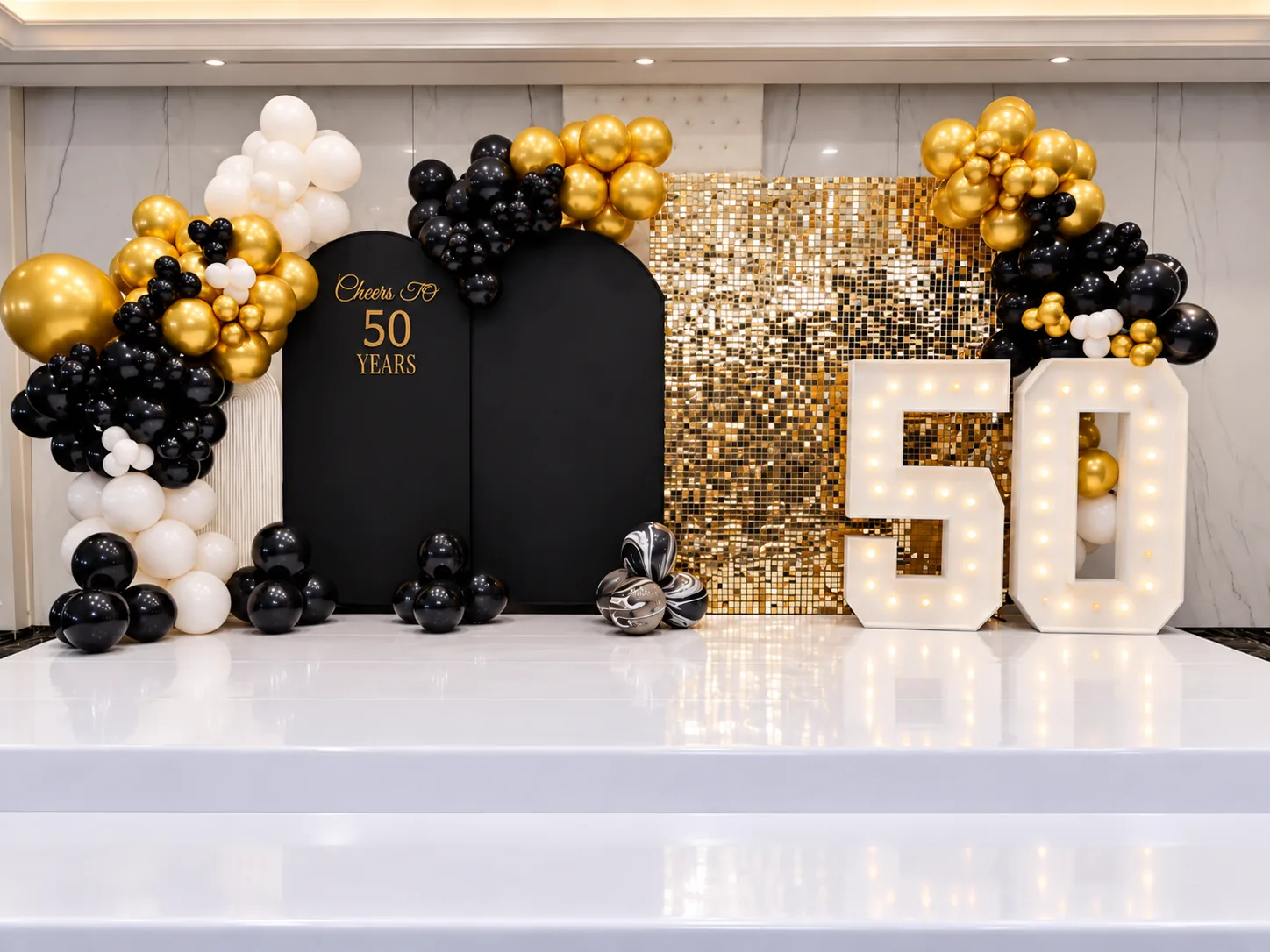
The anniversary number can anchor the visual design, particularly when the event will be photographed. Event Creation lists four-foot LED marquee numbers within its corporate offering. Consider whether a number display belongs near the entrance, behind a group photo position or beside a main feature wall. Its role is to make the milestone recognizable, so it should not be hidden behind furniture or surrounded by too many competing messages.
Pair the number with a short anniversary line and selected brand colours. Keep the wording accurate: a founding anniversary, a location anniversary and an anniversary under current ownership are different stories. Confirm which one the event marks. The marquee number and letter service can be a useful starting point for the display, with the actual arrangement and any supporting decor confirmed for the venue.
Turn company history into an experience
A timeline works best when it gives guests something worth stopping to read. Choose a small set of milestones with short captions and a clear visual order. A photograph, an early design or an approved piece of company material can make the story more tangible than a long paragraph. Place the display where people can pause without blocking arrivals or food service. Treat it as part of the reception, not a wall of homework.
Use captions that explain why each moment mattered. A date and a company name may mean little to a newer employee. One or two sentences can connect the image to a decision, a service or a relationship. Keep sensitive business information out of the display unless the appropriate owner has approved it. If you do not have enough verified material for a timeline, choose a simpler anniversary message instead of manufacturing a history.
Recognize the people behind the milestone
Founders and leaders are part of the story, but the celebration can also acknowledge the people who helped sustain the company. Decide which contributions the event will recognize and how. A short welcome might thank the wider team, while an approved display names long-standing partners or early supporters. Be deliberate about selection so recognition does not appear to depend only on who supplied the most photographs.
Check names and titles carefully, including how former colleagues should be described. Ask permission before building a personal anecdote or image into the public program. Some stories that work well inside a small team may feel different when shared with clients. The host can keep the tone warm by focusing on contributions rather than exaggerating personalities or making jokes that require guests to know the full background.
Choose a program with room for the present
An anniversary should acknowledge the past without leaving the current team watching from the sidelines. Balance a short historical element with time to meet the people doing the work now. If a speaker describes an early challenge, connect it to the values or practices that still matter. Guests should understand why the history belongs at this gathering, rather than feeling they have been invited to a lecture about another era.
A useful program might include arrivals, informal viewing of a story display, a brief welcome, one shared recognition moment and a social period. That is an example of a structure, not a required sequence. Adapt it to the chosen format and audience. The event team needs the length of each element and the cues between them so music, service and photographs can support the program naturally.
Make the anniversary message visible in photographs
Think about which photographs the company will want afterwards. A full team portrait, a founder with current staff and a few guest group photographs may need different amounts of space. Decide whether the anniversary number, company name and event date can be seen together. Keep key lettering away from the position where people will stand, so a well-attended photo does not hide the entire message.
A staffed photo experience can give guests a more informal keepsake alongside official photographs. The corporate photo booth options can carry approved branding, with the specific print or overlay treatment confirmed in the booking. Use the anniversary identity consistently across the booth graphics and room signage. A separate design for every surface can make one milestone look like several unrelated events.
Invite stories without losing editorial control
Colleagues and guests may have memories that add depth to the event. Decide how those stories will be gathered and who will review them. A prompt such as a favourite team moment or a meaningful client relationship is more focused than asking for any memory at all. Set a reasonable length if responses will appear in a display, and explain where the material may be used.
An audio guest book is another possible format listed among Event Creation’s event extras. If it suits the celebration, provide a clear prompt and a place where guests can record comfortably. Agree internally who will manage the recordings after the event and how any later use will be handled. The value comes from authentic contributions, so guests should understand the purpose and feel free to decline.
Connect the past to a modest look ahead
Guests may expect to hear something about the company’s future. Keep that part of the program grounded in information the business is ready to share. A clear statement about current priorities can be more convincing than sweeping predictions. Avoid announcing unconfirmed projects simply to make the anniversary sound important. The milestone already provides a reason to gather; the future message should add direction rather than speculation.
Give the speaker a defined length and a specific purpose. They might explain what the team wants to carry forward from the company’s history or thank clients for the relationships that will continue. A brief look ahead can close the formal portion and return the event to conversation. It should not unexpectedly become a sales presentation for guests who were invited primarily to celebrate.
Choose hospitality that reflects the audience
The food and service format should match the gathering’s social purpose. A seated meal can support longer conversations and a central program. A reception can let former and current colleagues reconnect across groups. An open house may suit guests arriving at different times. Work with the venue or caterer to choose a practical arrangement, and tell the event team how it affects the timing and movement of guests.
If the anniversary includes a cake or other presentation moment, decide where it will happen and what it means within the program. A styled table can support the photograph without becoming a second main stage. Confirm who supplies the item, who receives it and who coordinates service afterwards. The planning team should know when the table must be ready and when it can be cleared.
Make the event welcoming to newer employees
Newer team members should feel that the anniversary includes them. Give historical displays enough context, introduce long-standing colleagues clearly and avoid relying on an endless series of inside jokes. Consider mixing seating or encouraging introductions in a way that feels comfortable. The purpose is to connect people across the company’s timeline, not to divide the room between those who were there and those who were not.
Ask leaders to speak about current contributions as well as past achievements. A company anniversary can acknowledge that the business continues because new people bring skills and ideas to it. Make sure the invitation and welcome describe the celebration as belonging to the whole organization. Small choices in language can affect whether the event feels like a reunion for a few or a shared milestone.
Keep brand approvals simple and consistent
Create one approved anniversary identity before producing signage, booth graphics or printed material. It may be as simple as the existing company logo with a separate milestone line. Use current brand files unless the event has a clear reason to show an older version as part of the history. Label historical logos accurately so guests understand that the variation is intentional rather than an error.
Choose a single approval contact to consolidate comments from leadership and marketing. That person should check names, dates, wording and visual treatment together. Keep a record of the final files so the decorator and other suppliers receive the same version. Event Creation’s corporate event services can bring branded decor and event coordination into one brief, helping the anniversary identity remain coherent across the room.
Plan how the room will change during the event
A display that works for arrivals may need a different arrangement for speeches or group photographs. Identify those changes in advance. If furniture or decorative pieces must move, assign that work to the appropriate event team and leave a practical window for it. Guests should not have to guess where to stand while several suppliers decide what needs to happen next.
Try to avoid unnecessary changes by choosing pieces that serve more than one purpose. A main anniversary backdrop might support the welcome photograph, leadership remarks and later group portraits. That can keep the room consistent while reducing competing focal points. Confirm the arrangement with the venue and relevant suppliers so each use has the space, visibility and access it needs.
Give the milestone a meaningful record
Decide in advance which parts of the event should be documented. A photographer can cover the people and the room more effectively when the organizer identifies important moments and relationships. Provide a concise list of group photographs and make sure someone can help gather the right people. Avoid asking the photographer to recognize every former colleague or partner without introductions.
Keep a copy of approved anniversary text and verified historical material for future use. The event can be an opportunity to organize information that otherwise remains scattered across old presentations and personal folders. That does not require turning the reception into a research project. It simply means preserving the work already checked for the celebration so the next milestone starts from a reliable record.
Review the plan through a guest’s eyes
Walk through the event as if you knew very little about the company. Is it clear what milestone is being celebrated? Can you understand the displays without a personal explanation? Is there a place to talk, a way to join the photo experience and a clear sense of when the formal program begins? These questions reveal gaps that an internal team may miss because it knows the story so well.
Then review it as a long-serving employee. Does the story feel accurate and fair? Are familiar names written correctly? Does the event acknowledge the work behind the number? Both perspectives matter. A strong anniversary can welcome people discovering the business while respecting those who helped build it, without trying to tell every detail of its history in one evening.
Handle original objects with care
Early products, photographs and company materials can make an anniversary feel tangible. Before placing an original item in the room, decide whether it can be handled or should remain on display. Choose a stable presentation surface and keep refreshments away from it. Ask the owner whether a copy or photograph would serve the story just as well. The most valuable object is not always the most suitable one to bring into a busy reception.
Write down who supplies each item and who takes it home. Personal photographs and borrowed company keepsakes can be easy to overlook during collection when everyone is focused on rentals and furniture. Give these materials a named contact and a clear packing arrangement. If an object needs special handling, explain that to the coordinator before the event rather than leaving instructions beside it. A display should help people enjoy the company’s history while keeping the original material secure and easy to return to its owner afterwards. Confirm the final inventory with that owner before guests arrive. Keep a photograph of the display for reference.
Prepare the anniversary brief
Gather the milestone being marked, the intended audience, the preferred format, the date and any venue already selected. Add approved company history, current brand files and the main message you want guests to take away. Identify the elements you would like included, such as marquee numbers, a story display, a photo experience, music or a shared recognition moment.
Be clear about which historical materials are ready and which still need approval. Event Creation can then help shape a room and program around the story you can confidently tell. Request a company anniversary event quote with the milestone, the people you are inviting and the experience you want them to share.
Planning your own event? Share the date, venue and the look you want. We will contact you within 24 hours to talk through design ideas and pricing.