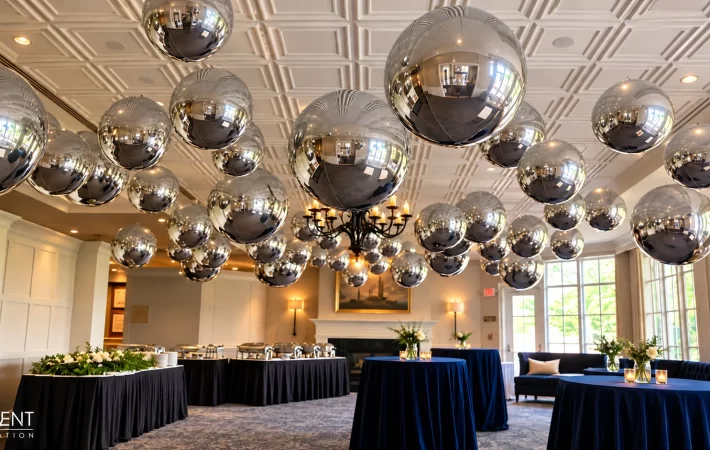

Grand Opening Event Planning: From Ribbon Cutting to First Customers
A grand opening has two jobs: mark an important beginning and make it easy for people to experience the business. The ribbon cutting is the shared moment, but the visit before and after it determines whether guests understand what has opened. A strong plan connects the entrance, the ceremony and the experience inside, so the celebration feels like the start of something people can return to.
Event Creation provides grand opening decoration across Toronto and the GTA, including balloon arches and columns, ribbon cutting setups, branded signage, photo walls and entertainment. The most useful brief explains the business, the guests and how the space will operate during the event. Start there before deciding how large the entrance display should be.
Define the first impression you want to create
Choose a few words that describe the business experience accurately. A neighbourhood shop may want to feel approachable and lively. A professional office may prefer a calm welcome and time for introductions. A restaurant opening may centre on hospitality and a clear view of the space. These differences should guide decoration, entertainment and the program rather than being added after those pieces are booked.
Write one sentence about what a guest should understand by the time they leave. It might explain the service, the type of customer the business serves or what makes the new location useful. Keep the message realistic and easy for staff to repeat. The opening should give people a clear reason to remember the business, without asking decoration alone to communicate everything it does.
Separate invited guests from everyday visitors
A grand opening may bring together family, staff, business partners, neighbours and people who happen to walk past. Decide which parts of the event are open to everyone and which are intended for a specific invited group. That distinction affects the welcome desk, the ceremony and the amount of information staff need. Guests should not have to guess whether they are allowed to enter or join an activity.
If the business remains open for normal service, plan how regular customers will be welcomed. They should not feel that a photo queue or ceremonial moment has made their visit inconvenient. Give staff a simple explanation of what is happening and how service will continue. If normal operations will pause, communicate that clearly through the business’s own channels and at the entrance.
Make the entrance inviting and usable
The entrance display should draw attention while leaving people a straightforward way into the business. Balloon columns, an arch or a smaller branded arrangement can mark the occasion. Choose the form after looking at door movement, the available frontage and the place where guests will wait. A display that looks good in a close photograph still needs to work when several people arrive together.
Share photographs of the entrance with the decorator, including the approach from both directions. Identify any signs that must remain visible and any access arrangements the property manager requires. The grand opening service includes entrance decor and ribbon cutting elements. The specific design should be agreed with the site conditions in mind, especially where public foot traffic and business visitors use the same space.
Plan the ribbon cutting as a short sequence
The ceremony needs a beginning, a clear cue and an ending. Decide who welcomes the group, who gives brief remarks and who takes part in cutting the ribbon. Confirm the order and the wording of names before the day. A small number of well-prepared speakers usually creates a clearer moment than an open invitation for everyone to add a speech.
Choose where the participants stand and where the photographer will be. Check that the ribbon, company name and people can appear in the same frame without covering one another. Tell participants what happens after the cut, such as a photograph or an invitation to enter. The ceremony should flow naturally into the guest experience rather than leaving a crowd waiting for the next instruction.
Prepare the people taking part
Send participants a short note with their arrival time, the ceremony location and the order of events. Include the name of the person who will meet them. If a guest has been invited to say a few words, give a clear time allowance and explain the purpose of their remarks. This helps the ceremony remain focused without requiring the host to interrupt someone in front of the audience.
Check pronunciation, titles and the preferred way to introduce each person. Do not assume a guest will attend until attendance is confirmed. Keep signage and the program adaptable where a participant is still uncertain. On the day, the coordinator should review the sequence with everyone involved before guests gather, so the ribbon cutting does not become the first time people hear what is expected.
Give guests a reason to explore inside
Once the ceremony ends, visitors need something to do. A short tour, a product demonstration, an introduction to staff or a guided look at the new space can help them understand the business. Choose an activity that reflects normal customer experience. An opening should not promise a level of service or a feature that visitors will not find when they return.
Create a simple route through the areas you want guests to see, with a clear way to skip a stop or leave when they wish. If some rooms are private or not ready for visitors, make those boundaries clear to staff. A welcoming host can guide people more naturally than a series of restrictive signs. The aim is to invite curiosity while keeping the business comfortable to operate.
Use signage to answer immediate questions
Guests arriving at an unfamiliar location usually need practical information first. Show the business name, the correct entrance and where to go next. Inside, a small number of clear signs can identify the welcome point, the ceremony area or a demonstration. Avoid filling every surface with promotional language when a visitor still needs to understand the layout.
Make the main message consistent with the business’s existing materials. Confirm the logo, spelling of the business name and any date or location details before production. If temporary signage is planned for an exterior or shared area, have the property contact confirm the arrangement. Event Creation’s welcome signs and event displays can support the opening, with wording and placement chosen for the actual visitor journey.
Assign staff to hospitality and operations
A staff member answering normal customer questions may not also be able to manage ceremony arrivals. Identify the tasks that need dedicated attention: greeting guests, directing people, supporting the ribbon cutting, answering business questions and handling supplier communication. A small event may combine some roles, but each responsibility still needs an owner.
Give staff a concise briefing that explains the program and the main message. Tell them where to send questions they cannot answer. If the business is collecting enquiries or booking future visits, agree on the process internally and keep it separate from informal guest conversation where appropriate. Staff should be able to welcome people naturally without improvising promises or handling unfamiliar event decisions.
Match entertainment to the setting
Entertainment can bring energy to an opening, but it should suit both the business and the surrounding environment. A family-oriented gathering might include a children’s activity, while another opening may benefit from music and a more conversational reception. The right choice is one that gives the intended guests something enjoyable without making it difficult to hear the host or speak with staff.
Event Creation lists performers and children’s entertainment among grand opening options. Confirm the specific act, performance area and timing with the event team. Ask how the activity will work alongside the ceremony and normal business operations. Avoid booking entertainment purely because it looks impressive in a photograph if the space or audience does not support a comfortable experience.
Coordinate refreshments with the way guests move
Refreshments can encourage guests to stay and talk, but their location matters. Put service where people can approach without blocking the entrance, a product display or the main ceremony view. Consider where visitors will place a drink while shaking hands or looking at an item. A practical service arrangement can make the space feel more welcoming than adding another decorative table.
Work with the venue or food provider on the details that apply to the event. Tell them whether guests will arrive together or throughout a longer open-house period. Coordinate service around speeches and the ribbon cutting so staff do not need to cross the main photograph at the key moment. Keep business demonstrations and refreshments clearly organized when they share the same room.
Create photographs that identify the opening
A useful grand opening photograph should show the people, the business and the occasion. Decide which views matter before the day: the ribbon cutting, the entrance, the team and guests experiencing the space. If a branded photo wall is included, make sure it complements the storefront rather than becoming the only recognizable image of the event. The location itself may be part of the story.
Give the photographer a short list of important groupings and appoint someone who can identify the people involved. Do not rely on the photographer to recognize partners or long-standing supporters without help. The corporate event planning service can coordinate decor and program details around these shared moments, so the camera position and the guest flow are considered together.
Build a realistic weather decision
If the entrance or ceremony is outdoors, discuss a backup with the event team and property contact. Decide which elements can move inside and where guests will gather if the original position becomes unsuitable. The alternative should preserve a useful welcome and photograph, even if the decoration changes. An indoor ribbon cutting can still feel intentional when the program has been prepared for it.
Agree who makes the decision and when suppliers need to know. Do not wait until guests are arriving to discover that the backup room cannot hold the ceremony arrangement. Outdoor decor requires site-specific planning by the supplier, so avoid treating a display designed for an interior wall as automatically suitable for the frontage. Share the expected conditions and follow the installation team’s guidance.
Plan an opening that fits the business day
Consider how the event affects staff before and after the celebration. A business may need time to prepare its normal service areas, receive stock or return the room to everyday use. The event schedule should include those realities. An impressive opening that leaves the team unable to operate comfortably the next morning has missed an important part of the brief.
Tell the planner which furniture, counters or rooms must remain available. Confirm when suppliers can enter, when installation must finish and when collection can begin. If the space is shared with other tenants, identify the relevant contact and any access arrangements early. The event team should work from the actual operating schedule, not assume the whole property is available for the celebration.
Use offers only when the business has approved them
An opening promotion can be part of the guest experience, but the business must decide its terms and communicate them accurately. Do not let an invitation, sign or host announcement create an offer that staff have not been briefed to honour. Confirm the wording, dates and any relevant conditions through the appropriate business owner before including a promotion in event material.
The same care applies to future appointments, product availability and services described during tours. Staff should know what is ready now and what is planned for later. If a detail changes, update every place it appears rather than correcting only the main sign. A clear, consistent opening experience gives guests confidence in the business and helps the team answer questions without confusion.
Keep the welcome personal as the crowd changes
Some guests will arrive for the ribbon cutting and leave soon afterwards, while others will come later. Plan a welcome that still works after the formal ceremony. A staff member can explain what has opened, point out the main features and invite the visitor to explore. Keep the entrance display and key information useful throughout the advertised event period.
If a demonstration repeats, give staff a simple way to tell guests when the next explanation begins. Avoid making later arrivals feel they have missed the entire event because one photograph has already happened. A grand opening can have a single ceremonial moment while offering a complete visitor experience over a longer window. That distinction helps the program serve both invited guests and curious neighbours.
Close the event with clear next steps
Make it easy for interested visitors to know how to return or get more information. The business may provide its normal contact details, opening information or an approved way to request a consultation. Keep the next step simple and relevant. Guests who came to celebrate should not feel pressured to commit, but people with a real question should know whom to approach.
Afterwards, review practical observations with staff. Note which questions visitors asked, which areas drew interest and where the event interrupted normal operations. These details can inform future customer events. Thank the people who contributed through the business’s usual channels, with any photographs used according to the arrangements made. The opening is the beginning of a relationship with the location, not the whole relationship itself.
Give the owner time to meet people
The business owner or location manager is often the person guests most want to congratulate or question. Protect some of their time for those conversations. Assign another contact to coordinate supplier arrivals, find missing materials and keep the ceremony on schedule. If the owner spends the whole opening answering operational calls, guests may leave without the introduction they came to make.
Prepare a small arrival list for people who need a personal welcome, and give it to the appropriate host. Keep the list practical rather than creating a hierarchy that other visitors can feel. The host can quietly help important introductions happen while the wider event stays welcoming. Before the ceremony, give the owner a brief pause to review the remarks and join the participants. A calm host can then give the ribbon cutting proper attention and return to meeting guests, instead of moving straight from a setup problem into a speech.
Gather the details for your opening quote
Prepare the business name, address, intended date, event format and expected guests. Add photographs of the entrance and interior, approved brand files and the approximate ceremony time. Explain whether the business will operate normally during the event and which services are already arranged. Identify the property contact and the person who will approve design and program decisions.
Share the experience you want visitors to have, from the first view of the entrance to their final conversation with staff. Event Creation can then suggest an appropriate mix of entrance decor, ribbon cutting support, displays and entertainment. Request a grand opening quote with the setting and the business story you want the celebration to introduce.
Planning your own event? Share the date, venue and the look you want. We will contact you within 24 hours to talk through design ideas and pricing.