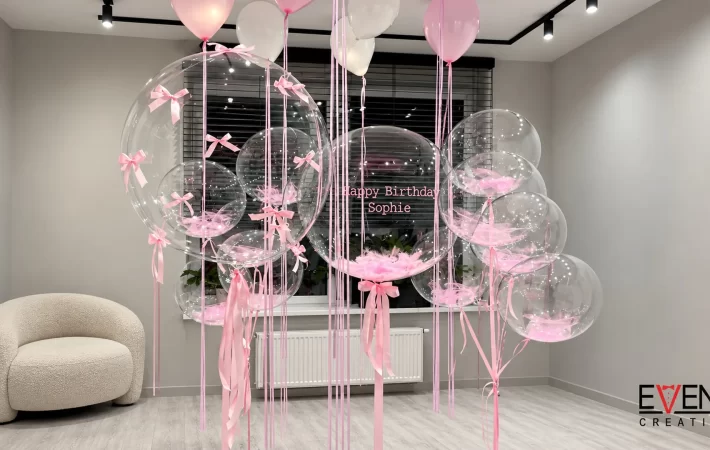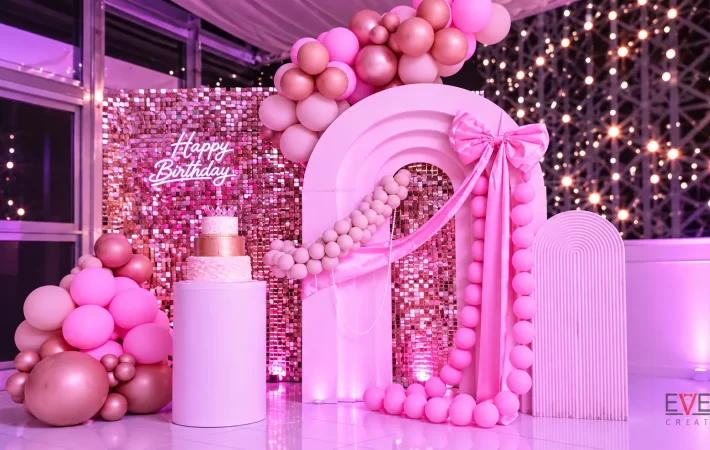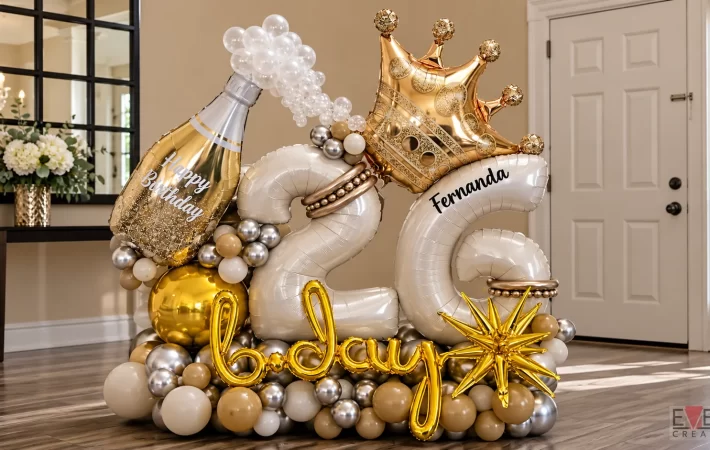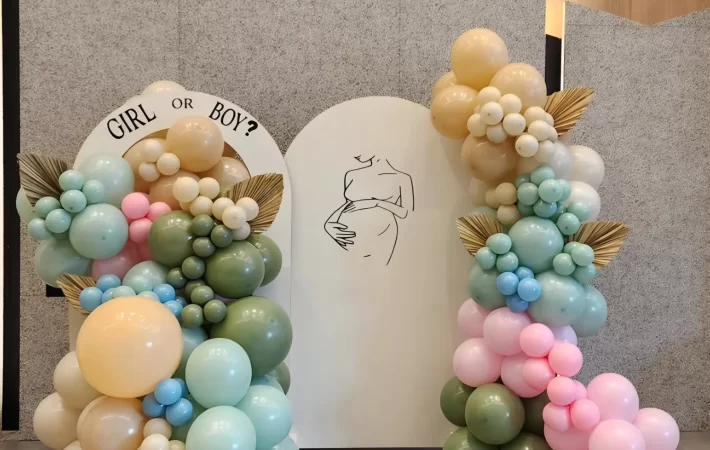
From Inspiration Photos to a Clear Balloon Design Brief
Inspiration photos are useful when they help you explain a preference. They become less useful when a folder contains several incompatible designs and no indication of what you like in each one. A decorator then has to guess whether the important detail is the colour, the balloon shape, the backdrop, the sign or the overall atmosphere.
A clear balloon design brief turns those references into decisions. It does not need to be a professional presentation. A few current photos, a description of the room and a short list of priorities can give Event Creation enough direction to recommend a coherent design. This guide explains how to create that brief, refine it and keep the approved version clear as the event approaches.
Begin with the result you want
Write one sentence describing the main purpose of the balloon decoration. You might want a clear photo setting, a welcoming entrance, a personal surprise or a coordinated accent for a display. This sentence should describe what the installation needs to do, not simply list the objects you have seen online.
Then describe the atmosphere in two or three ordinary words. Soft and warm, bright and playful, or clean and graphic can give the decorator a useful direction. Avoid relying only on broad words such as beautiful or impressive, because they do not explain what you want to see.
Keep that purpose at the top of the brief. When a new idea appears, judge it against the intended result. If it does not support the main purpose, it may belong in a different design. This helps the concept develop without expanding into an unrelated collection of attractive details.
Separate the occasion from the design decisions
The occasion provides context, but it does not automatically determine the decoration. A birthday can be colourful or restrained. A company event can be playful or formal. A family celebration may draw on personal traditions that are not visible from the event label alone.
Explain the people and preferences that matter. If the recipient dislikes a particular colour, say so. If a family symbol or exact wording is important, include it. If the event should avoid a familiar theme, make that clear before the decorator begins recommending pieces.
The balloon decoration service covers several forms and occasions. Use the occasion to establish context, then let your specific preferences guide the choice of garland, backdrop, bouquet, column or number display. The brief should describe your event rather than assume a standard look for its category.
Collect fewer, more useful references
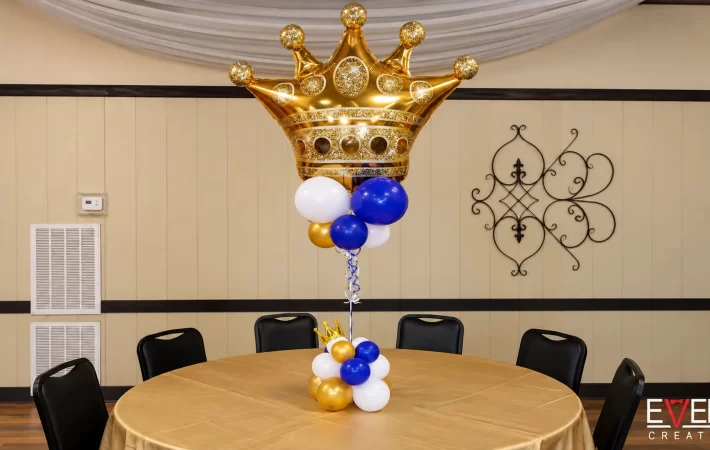
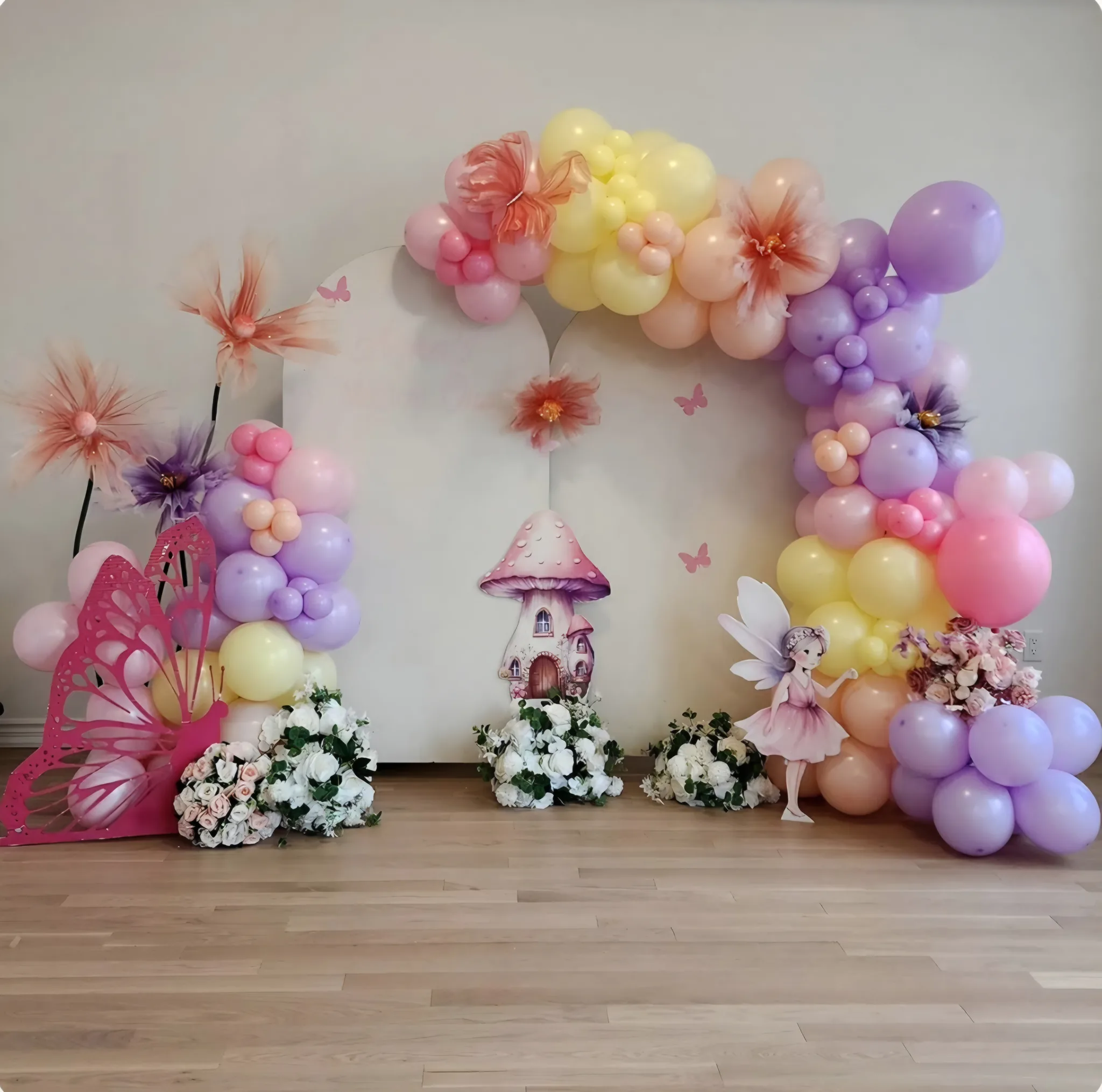
Choose a small set of photos that each explain something distinct. One might show the palette, another the balloon shape and another the sign placement. A large folder of near-duplicate images can make the brief harder to interpret without adding useful information.
Label each reference with the feature you want to borrow. “Like the curved outline, not the colours” is helpful. So is “The open area around the name is the important part.” These notes prevent the decorator from carrying over a detail that you did not intend to include.
Remove references that contradict the direction you have chosen. If the final palette is warm and restrained, an early bright multicolour image may confuse the conversation unless it is clearly labelled for another feature. The final brief should show the current idea, not every idea considered along the way.
Distinguish mood from a product specification
A photograph can communicate softness, fullness or a dramatic shape without specifying the exact materials needed to create it. Lighting, camera angle and editing also contribute to its appearance. Treat the reference as evidence of your preference rather than a promise that the same result can be reproduced unchanged.
Ask the decorator to explain which available pieces could express the same direction. The proposed backdrop, balloon shades and sign may differ from the photograph while preserving what you liked about it. That is a useful design conversation, especially when the reference was created for a different room or occasion.
If a specific detail is essential, identify it explicitly. Perhaps the exact wording matters, or a certain colour family, or the fact that the arrangement is asymmetrical. Separate those requirements from details that can be adapted. This gives the decorator room to solve the actual design problem without losing the character you want.
Photograph the real installation area
Provide a wide photo that includes the floor, wall, ceiling edge and nearby furniture. A close crop of the wall can hide important context. The decorator needs to see what the balloons will sit beside and which permanent features will remain visible around the installation.
Add another photo from the main approach and, if different, from the intended photo position. These views help explain how guests will first encounter the decoration and how it should look in photographs. Mark the proposed area if the room contains several possible locations.
Use current photographs where possible. If furniture or room arrangements have changed, explain the difference. An attractive venue image from another event may not show the space you will actually have. The brief should make the real conditions clear enough for the decorator to recommend an appropriate design.
Include useful measurements without guessing
Measure the area that the installation will occupy, including the usable width and relevant height. Note nearby features that interrupt the space, such as doors, windows or fixed furniture. The purpose is to connect the design to the actual area, not to create a technical construction plan yourself.
If a measurement is uncertain, label it as approximate and ask what the decorator needs confirmed. An honest estimate is more useful than a precise-looking number that was guessed. The team can explain which dimensions are important before the design is finalized.
For a backdrop, include the intended standing or display area in front of it. A wall can be wide enough for the decorative surface while the foreground remains crowded. The balloon backdrop options should be considered with the complete composition, including people, tables and any number display.
Define the palette with priorities
Choose a lead colour and explain how the other shades should support it. A list of colours without proportions or priorities can lead to several different interpretations. “Ivory first, muted pink second, a small gold accent” gives a clearer direction than simply naming all three.
Provide one preferred reference for each important shade. If you use an invitation or outfit as the source, identify the part that matters. Colour words such as blush, cream and blue can describe many different appearances, so a shared reference helps keep the conversation specific.
Ask about available balloon shades and acceptable substitutions. Event Creation notes that brand colours can be matched closely without every shade being exact. The same practical distinction is useful for personal palettes. Decide which colour relationships are essential and which can be adjusted within the overall direction.
Describe the shape, not only the size
Explain how you want the balloons to move through the composition. A garland might rise from one side, wrap an upper corner or remain concentrated around a lower display. A column might be orderly and spiral or irregular and organic. These descriptions help the decorator understand the intended silhouette.
Mark the fuller area and the space that should remain open. If a name sign is central, say that its surrounding area should stay clear. If the backdrop outline matters, explain how much of it you want visible. Size alone cannot communicate those preferences.
The garland and arch options can help you discuss different structures and shapes. Choose the appearance you prefer, then let the decorator recommend a suitable proposal for the actual setting. A design brief should guide the result without pretending to replace installation judgement.
List the personal details exactly
Type every name, number, date and message that will appear in the decoration. Include preferred capitalisation and punctuation. Do not rely on the decorator to infer text from a small invitation image or an old planning message when you can provide an exact approved version.
Identify which detail should lead the composition. A large number, a name and a phrase can all be included, but they should not compete equally. Explain what you want people to notice first and which details can be quieter.
For another language or script, provide the exact text and a clear reference for its intended appearance. Have the person responsible for the wording approve it separately from the general design. Personalization is a small part of the brief in length, but it often carries the greatest emotional importance.
Identify everything supplied by someone else
A cake, sign, flowers, table, plinth or personal object may come from another supplier or from you. List those items and explain where they should appear. The balloon decorator needs to know which pieces are part of the design but outside the balloon order.
Include dimensions or useful photographs for major items. A cake table selected later can cover a sign or change the foreground balance. A large personal object can shift where the balloon cluster should sit. Early information helps the pieces work together without last-minute assumptions.
Also clarify who will place each item. Design coordination and physical setup are related but separate responsibilities. The written plan should make it clear whether the decorator, venue, supplier or host is responsible for a particular object. That keeps the final arrangement from depending on everyone assuming someone else will handle it.
Share the approved access information
The design needs to fit the event’s actual setup conditions. Provide the venue contact, confirmed access window and agreed completion time. If those details are still being arranged, label them as pending rather than treating an estimate as a confirmed schedule.
Mention relevant venue restrictions that have been communicated to you, such as limits on wall attachments or balloon use. The decorator should confirm the appropriate approach with the responsible venue contact. Do not substitute a general assumption about similar venues for the rules at the actual location.
Keep this part of the brief factual and current. If access changes, send the revised information promptly. The balloon concept may remain the same, but the practical arrangement and service scope can be affected. The team should have the latest confirmed details before installation day.
Give a budget range and a priority order
A budget range helps the decorator recommend an appropriate scope, but the priority order explains where the value lies for you. You might care most about one strong photo installation, then a personal sign, then smaller accents. Another host may prioritize several coordinated table pieces instead.
State which part you would preserve if the concept needed to be simplified. This gives the decorator a useful basis for editing. Without that guidance, a revised proposal may reduce the very feature that mattered most while retaining details you considered optional.
Do not assume that a reference photograph corresponds to a particular price. Scale, materials, location, timing and included services can differ. Ask for the actual proposed design to be quoted in writing so the visual brief and the commercial scope describe the same arrangement.
Review the proposal by relationship
When the decorator responds, compare the proposal with your priorities rather than checking only whether every requested object appears. Does the balloon shape support the main sign? Does the palette work with the backdrop? Is the personal detail clear? Is the foreground appropriate for the intended use?
Give specific feedback. “Leave more of the panel visible” or “Use the darker shade only near the base” is easier to act on than a general request to make the design better. If you are unsure what feels wrong, identify the area and ask the decorator to explain the alternatives.
Separate corrections from new ideas. Fixing a spelling error is different from adding another backdrop or changing the palette. Clear feedback helps the team understand whether the proposal is being refined or the scope is changing, and whether the written quote needs to be revised.
Keep one approved version
Once the design is agreed, create one current summary that contains the selected references, exact text, palette, main pieces and practical details. Remove superseded options from the approval message or label them clearly as unused. This reduces the chance that an earlier idea returns during production.
Name one person who can approve further changes. If several family members or colleagues are contributing, gather their feedback before sending the final direction. The decorator should not have to decide which of several conflicting messages represents the actual approval.
If a change becomes necessary, update the affected part of the brief and confirm whether it changes the quote or timing. A clear version history does not need to be complicated. It simply needs to make the latest agreed decision easy to identify.
Turn a vague request into a useful example
“We want something elegant with balloons” gives the decorator little basis for choosing between several possible designs. A more useful hypothetical brief would explain: “We want one main photo area with a warm, restrained palette. The name should be the focal point. We like the curved shape in the first reference and the colour relationship in the second. Please keep the centre open for photographs.”
The next part would connect that preference to the actual event: the room photo, measured installation area, date, guest use and selected backdrop. It would also identify any supplied cake table or sign. The decorator could then respond with a coherent proposal rather than guessing which details in a large reference folder should take priority.
Notice that the improved brief does not specify how to build the installation. It explains the result and the conditions. That gives the responsible team useful freedom to recommend suitable materials and an appropriate arrangement while protecting the preferences that matter to the host.
You can use the same exercise on your own request. Underline any word that could mean several different things, such as elegant, full or simple. Replace it with a description of what you want visible: a restrained palette, a generous upper curve, an open centre or one clear personal detail. The brief becomes easier to answer because the desired result is easier to understand.
Use a concise final handoff
A complete final brief can still be short. Lead with the event date, location and main purpose. Follow with the approved palette, shape, personal details and supplied items. Attach the selected room photographs and inspiration references, each labelled with what it contributes.
Finish with the confirmed access information, the on-site contact and any unresolved question that genuinely remains. Do not hide important pending details inside a long message about decorative preferences. The team should be able to distinguish the approved design from the practical information still awaiting confirmation.
To begin your balloon design brief with Event Creation, send your date, venue and selected inspiration. You do not need every answer before the first conversation. A clear purpose, a real room photo and an honest set of priorities are enough to make the discussion productive and help the team recommend the next design decisions.
Planning your own event? Share the date, venue and the look you want. We will contact you within 24 hours to talk through design ideas and pricing.