Boat Party Decor: Plan a Compact Setup Before Boarding
A boat party needs a decoration plan that belongs to the boat. Deck space, boarding arrangements, the crew’s operating requirements and the movement between indoor and outdoor areas shape what can be installed. A large room design cannot simply be transferred to the water because its colours suit the occasion.
The strongest approach is usually a compact, deliberate setting. Choose the main celebration or photo moment, then connect it with a small number of coordinated details. The waterfront and the boat already provide much of the atmosphere; decoration should give the event its identity without competing with the way the vessel needs to function.
Event Creation offers boat decoration in Toronto for charter boats, yachts and private boats, with the setup planned around the specific vessel and operator. This guide explains the information to gather and the decisions to make before boarding day, so the decoration is ready within the agreed access window.
Confirm the exact boat before choosing the design
Start with the vessel name and operator, not only the marina or a general description of the cruise. Boats at the same dock can have different layouts, access arrangements and available spaces. The decorating team needs to know which one will host the event.
Ask for current photographs or a layout showing the areas available to guests. Identify the boarding point, indoor saloon if there is one, main gathering area and any surfaces you are considering for decoration. Share that information with Event Creation before selecting a backdrop or entrance feature.
If the operator changes the boat, treat that as a reason to review the plan. A similar guest capacity does not establish an identical decoration layout. Confirm what can transfer to the new vessel and what needs adjustment rather than assuming the original installation will fit in the same way.
Let the operator define the permitted setup
The boat operator or responsible owner should confirm what is allowed and where decoration can be placed. Their requirements take priority over an inspiration photograph. Ask the decorating team to coordinate the proposed installation with those conditions before the design is finalized.
Useful questions concern the areas available for a photo setting, the permitted use of rails or other surfaces and the time decorators can board. You do not need to decide attachment methods or provide technical instructions. The responsible professionals should determine how the selected pieces can be installed appropriately.
Keep the operator’s approval connected to the actual design. Approval for one small feature should not be treated as permission to add larger structures elsewhere. If the concept changes, communicate the change and confirm that the revised arrangement remains suitable for the vessel and the cruise program.
Choose one main celebration moment
A compact boat setup works best when its purpose is clear. A birthday might need a place for the guest of honour and cake photographs. An engagement may focus on a discreet romantic setting. A corporate cruise may want a recognizable branded photo position.
Explain that purpose to the team before listing decorative products. The same palette can be interpreted through a small sign, a garland, an indoor backdrop or another operator-approved arrangement. The most useful option is the one that supports the event’s main moment within the available space.
Avoid trying to recreate several different room settings on one deck. A welcome feature, a photo area and table accents can work together, but each needs a distinct role. When space is limited, one well-resolved focal point with related details often gives the party a clearer identity than several competing installations.
Plan around boarding as an event in itself
Boarding involves guests arriving, checking the correct vessel and moving through the operator’s established route. Decoration should respect that sequence. Confirm where a welcome detail can be placed without assuming that the entry point is available for a large arch or display.
The operator should define the access arrangement, and the decorating team can propose a suitable feature within it. If the boat does not support an entrance installation, the first interior view may be a better place to establish the theme.
Tell the team when guests begin arriving at the dock, not only when the cruise departs. An installation that is technically finished before departure may still be unfinished when the first guests board. The ready time should reflect the actual guest experience, with the crew and decorator agreeing when the setup needs to be complete.
Use current photographs to understand the available space
Boat marketing photographs may show a particular furniture arrangement or an empty deck. Ask which layout will apply to your event and provide photographs that show the relevant surfaces and circulation areas. This keeps the design grounded in the actual space.
Include views from the intended photo position and from the main guest approach. A corner can look open from one angle while containing steps, equipment or fixed furniture outside the frame. The team needs that wider context to propose a compact setting.
Avoid relying on estimated dimensions if the operator can provide the actual information. The decorator should assess the selected pieces against the vessel’s layout. Accurate references are particularly useful when several people are discussing the event remotely and cannot all visit the boat before the booking.
Choose a palette that works with the boat and waterfront
The vessel’s upholstery, deck finishes and surrounding water already contribute colours and textures. Select a palette that sits comfortably within that setting. The decoration does not need to imitate the scenery, but it should be considered alongside it.
If the event has a personal or brand colour, explain which shade matters and provide a useful reference. Then allow the team to suggest supporting tones that keep the main message clear. A small number of related colours can be easier to read in a compact installation than a broad mix of themes.
Think about the clothing likely to appear in photographs and any sign that must remain legible. The boat and skyline may create a visually active background. A deliberate palette helps the decorative feature hold its identity without needing to become larger or more complicated.
Discuss air-filled balloon designs with the team
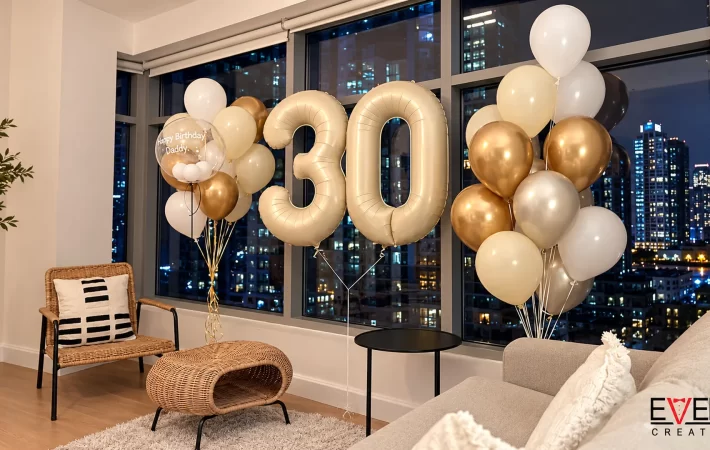
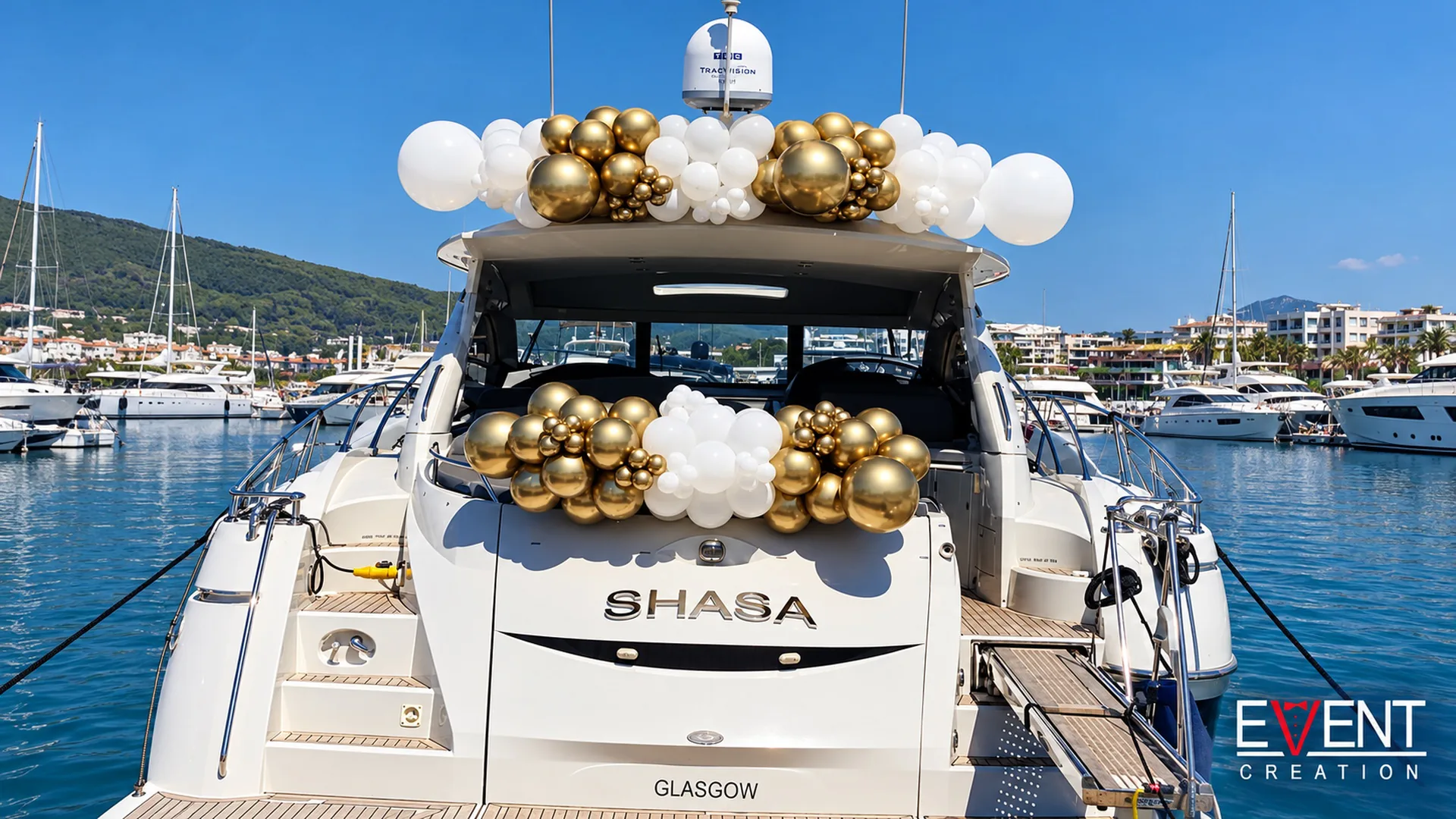
Event Creation’s boat service describes air-filled balloon designs, including garlands and other compact pieces, with the installation planned for the vessel. Its approach excludes loose balloons and helium for boat decoration. Use that service-specific direction when developing your reference ideas.
Tell the team whether you are interested in a rail feature, an entry detail or an indoor setting, then let the operator and decorator determine what is permitted. Do not plan your own securing arrangement or assume that a design used on another boat can be installed identically on yours.
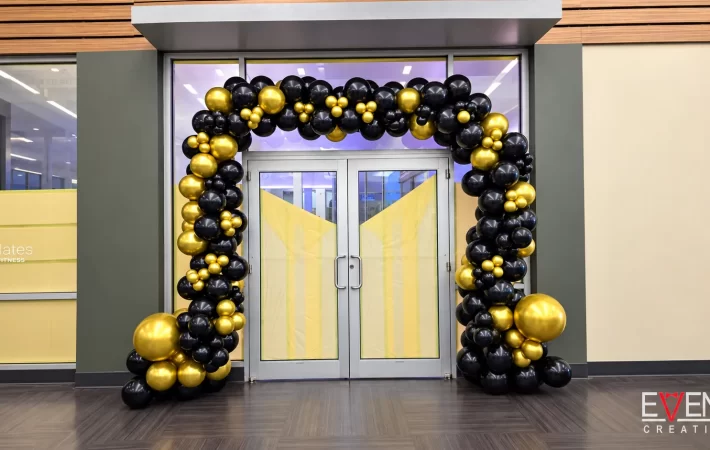
The balloon garland and arch service can help communicate the visual style you like, but the boat version needs its own assessment. Keep the emphasis on shape, colours and purpose rather than insisting on the exact size or placement from a land-based event photograph.
Keep personalized wording short and visible
A name, age, message or logo can give a small boat installation a clear identity. Choose the wording that matters most and decide where it should appear in the intended photographs. Several competing messages can make a compact setting feel crowded.
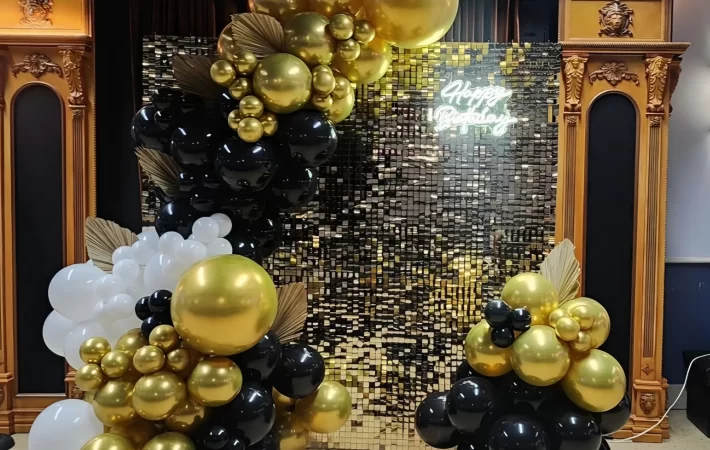
Ask the team to propose a suitable sign or personalized detail within the approved layout. The service and operator should determine the appropriate arrangement for the vessel. Do not assume an illuminated sign or other item can be added without considering its practical requirements.
Confirm spelling, dates and artwork before the event. If the celebration is a surprise, identify the person authorized to approve those details privately. A simple accurate message can make the decoration feel personal while allowing the boat and waterfront setting to remain part of the event’s character.
Consider an indoor saloon as a separate setting
If the vessel has an indoor saloon available for the event, it may offer a different kind of decoration opportunity from the open deck. Ask the operator which area can be used and share its layout with the team. An indoor space should still be planned for the particular boat.
A compact backdrop, sign or table treatment may suit that setting, subject to the operator’s approval. Consider how guests move between the saloon and deck and whether the photo area would remain visible and accessible during the program.
Do not assume an indoor location automatically solves every outdoor planning question. The dimensions, furniture and service use still matter. If the saloon is also used for food or another activity, coordinate the arrangement so decoration supports the event without displacing an essential function of the room.
Give the cake or dessert display a defined role
A cake can become the centre of a birthday or milestone celebration, but its position should be coordinated with the operator and the supplier responsible for food. Tell the decorator what is being supplied and when the cake moment will happen.
Ask who provides the surface, who places the cake and how the display relates to the surrounding decoration. A small personalized feature may be enough to frame the moment. The arrangement should work with the available space and the boat’s service plan rather than copy a large dessert table from a banquet hall.
If Event Creation’s cake or dessert services are being considered, request the specific scope in the quote. If another supplier is involved, share the relevant timing and dimensions. The aim is one coordinated celebration point, with each party understanding which items and tasks belong to them.
Add a booth or performer only after confirming feasibility
An activity can be part of a boat celebration when the vessel and operator allow it. Event Creation’s boat page mentions photo booths and performance services as possibilities to assess, not as features that fit every boat.
For a booth, discuss the exact vessel, approved location and operating period with the provider. Event Creation’s photo booth service can help identify the available formats, while the boat-specific conversation determines what is appropriate for your cruise.
The same approach applies to a DJ or performer. Confirm the space, program and practical requirements with the responsible parties. Do not add an activity to the running order solely because it worked at a previous land-based event. The selected experience should fit both the guests and the vessel’s approved event arrangement.
Build the setup schedule from the operator’s access window
The decorating team needs a confirmed time to reach and board the boat. Ask the operator when the vessel will be available and when the crew needs the installation completed. Do not rely on a general expectation about how early decorators can arrive.
Provide the marina, dock or slip information and a contact who can help the team find the correct location. If access involves a particular check-in process, share it in advance. Clear directions matter because the boarding window may leave little room for searching or waiting for an unavailable contact.
The proposed design should fit the agreed window. If the concept requires more work than the schedule permits, discuss a suitable adjustment. A compact planned setup is more useful than an ambitious installation that depends on unconfirmed extra access before guests board.
Decide how the surprise, if any, will be managed
For a surprise birthday, proposal or celebration, identify who knows the plan and who can communicate with the operator and decorator. The practical setup still needs clear instructions even when the guest of honour should not see the details.
Confirm the arrival sequence and the moment when the decorated area will be revealed. Keep the plan realistic within the boat’s normal boarding process. Avoid giving contradictory instructions to the crew in an effort to preserve the surprise.
Provide one decision contact for wording, placement and final questions. If the host organizing the surprise is travelling with the guest of honour, a separate authorized contact may need to handle practical communication. The decoration can then be ready without relying on secret last-minute messages during boarding.
Agree what happens if the cruise plan changes
Weather, operator decisions or other changes can affect the cruise. Ask how the decoration booking will be handled under the actual terms of your event and how the team will receive the operator’s decision. Do not assume a particular cancellation or rebooking outcome without confirmation.
Event Creation’s boat information describes coordinating with the operator and discussing revised dates where scheduling allows. Your written quote should establish the arrangement relevant to the booking. Keep the decision contact and communication route clear so the team knows which plan is current.
If the celebration might move to another venue, share that possibility early. A boat design may need adaptation for a room, just as a room design needs adaptation for a boat. The alternative should be discussed as a real setup with its own location and timing, not as an automatic transfer of every original detail.
Keep the final onboard review focused
Before guests board, the approved contact should check the decoration with the relevant team and operator. Confirm the intended focal point, wording and placement against the agreed design. Raise any question through the responsible person rather than moving installed pieces independently.
The review is also a chance to confirm that host-provided items have reached their planned positions. A cake, personal sign or gift display can affect the finished composition even when it is supplied by someone else. Keep those items within the agreed layout.
Avoid adding unplanned decorations at the last minute. The approved setup has been designed for the vessel and boarding schedule. If an additional item is important, ask whether it can be accommodated. The final aim is a ready, coherent celebration space that the crew and event team understand.
Plan the photographs within the cruise program
Tell the photographer or the person organizing group pictures where the approved photo setting will be. Agree when the main portraits or cake photographs should happen within the program, in coordination with the operator’s arrangements. The decoration should support the moment without requiring guests to gather in an unsuitable area.
Keep the intended groups realistic for the available setting. A compact backdrop may work well for the guest of honour, a couple or small groups, while a larger portrait may need a different operator-approved position. Do not redesign the installed area during the cruise merely to imitate a photograph taken on another vessel.
Sharing this plan before boarding helps the host use the decoration they selected. It also gives the event a clearer sequence: guests arrive, enjoy the cruise and take part in the planned celebration moment, with the visual setting ready when it is needed.
Confirm removal before the boat returns
Takedown should be arranged before the cruise begins. Ask when the operator wants decoration removed and confirm the plan with Event Creation. The service page describes removal after the cruise or the following morning according to the agreed arrangement, with the specific details established in the quote.
Identify who will provide access and what belongs to the host versus the rental order. If you would like to retain permitted decorative materials, discuss that in advance. Keep rented structures and other supplier items within the agreed collection plan.
Send Event Creation the boat name, operator, boarding time and occasion to begin the design conversation. A compact setup planned around the actual vessel can give the party a distinct visual identity while allowing the waterfront, the guests and the celebration itself to remain the focus.
Planning your own event? Share the date, venue and the look you want. We will contact you within 24 hours to talk through design ideas and pricing.