
Wedding Dessert and Cake Displays: Plan for Photos and Serving
A wedding dessert display has to work twice: first as part of the reception design, then as a place where food is presented and served. The photograph matters, but so do guest access, timing and the practical responsibilities of the baker, caterer, venue and decorator.
Start by deciding what the display is meant to do. It may hold one ceremonial cake, a collection of individual desserts or both. You might want guests to serve themselves, receive plated portions or visit a station later in the evening. Those choices should shape the table and styling from the beginning. A display becomes much easier to plan when its service role is clear before the decorative details are chosen.
Choose the role of the wedding cake
The cake may be a central celebration moment, part of dessert service or a visual feature alongside other sweets. Discuss its role with your partner and the suppliers involved rather than assuming every wedding follows the same sequence.
If a cake-cutting photograph is important, identify when it will happen and who needs to be present. If the cake will later be served, confirm how that transition is handled and whether the display table remains in use.
The cake’s dimensions and stand affect the entire composition. Obtain those details from the cake supplier before the decorator finalizes table size, background and surrounding objects.
Event Creation’s wedding styling can place the cake within the wider reception design while keeping its practical role clear.
Decide whether desserts share the cake display
A combined cake and dessert table can create one clear destination, but it needs enough space for different types of food and their serving items. The cake should not become difficult to reach because additional desserts have filled every surrounding surface.
A separate dessert station may suit the service plan better, particularly when guests will visit it throughout part of the evening. The cake can then keep its own presentation area and timing.
Compare the options using the actual room layout. A single large display is not automatically simpler if it creates a queue near another busy feature. Two related areas can sometimes function more comfortably.
The visual connection can come from shared colours, signs or materials rather than forcing every sweet item onto one table.
Confirm the dessert list before choosing furniture
Ask for the planned dessert types, quantities and presentation format. Trays, individual plates, tiered stands and covered containers require different surface areas. A broad estimate based only on guest count is not enough to style the table accurately.
Include serving utensils, napkins and any labels. These practical objects are part of the display and should have assigned positions rather than being squeezed into the remaining spaces at the last moment.
If the dessert selection is still developing, identify which details need confirmation before the table plan is final. The furniture and styling should respond to the finished service scope.
The team coordinating cakes and desserts can help connect the presentation plan with the items being supplied for the celebration.
Choose a location that works for guests and staff
The dessert display should be visible without obstructing a main route. Review its relationship to dining tables, the dance floor, doors and other stations guests may visit at the same time.
Allow room for people to pause, make a choice and move away. A table that fits physically against a wall may still be awkward if the guest queue extends into a service route.
Staff also need access for replenishment, clearing and any cake service. Ask the venue or caterer how they intend to work around the display and include that space in the layout.
Do not select the location only because it has an attractive background. The best position balances the photograph with the ordinary movement that happens once desserts are available.
Give the display a clear visual hierarchy
Choose what guests should notice first. If the cake leads, place other desserts and decorations so they support its shape and importance. If a broad dessert collection is the main attraction, the design can distribute attention more evenly.
Height changes can help organize the display, but they should follow an approved presentation plan. Avoid adding stands simply because more levels seem more decorative. Each stand needs a suitable role and placement.
Leave visible space between groups where appropriate. A fully occupied table can feel confusing, while a more deliberate arrangement allows guests to understand the choices and makes the display easier to photograph.
The hierarchy should still make sense after the first items are served. Ask how the presentation will be maintained as the quantity on the table changes.
Plan the background around people as well as food
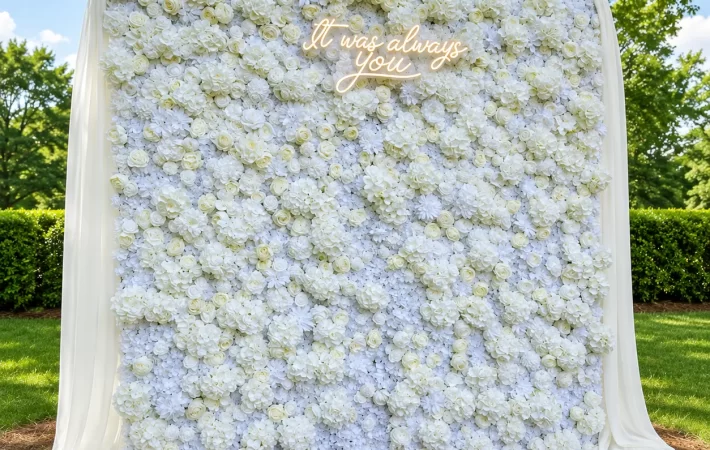
The backdrop appears in photographs of the display and in photographs of the couple cutting the cake. Review both compositions. A detail that looks centred behind an empty cake may align awkwardly with someone’s head when people stand beside it.
Decide where the couple will stand and where the photographer will be. Check that the cake’s intended front remains visible and that the surrounding decor leaves enough working space.
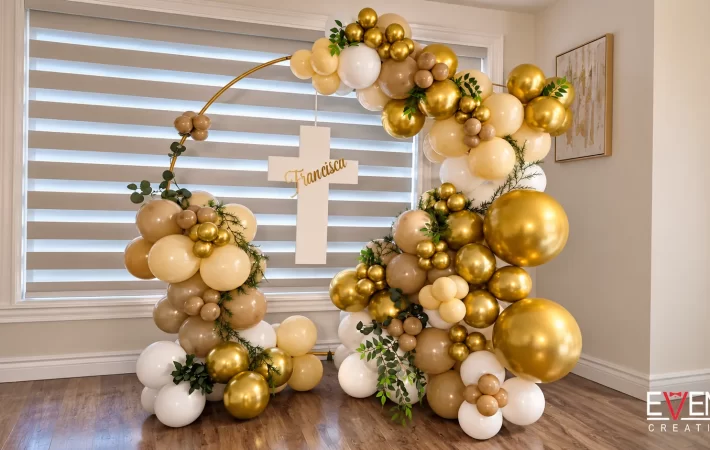
If a sign includes names or a date, position it where it remains readable in the intended view. It does not need to appear in every photograph, but its role should be deliberate.
Keep the background connected to the reception style without making it so busy that the cake or desserts disappear into it.
Coordinate linen, furniture and serving pieces
The table, linen and serving pieces form a large part of the display. Review them with the cake and dessert references rather than approving each supplier’s objects separately.
A strongly patterned linen may call for simpler serving pieces. A plain table surface can support more variation in stands and containers. The goal is a consistent relationship, not a requirement that every item match exactly.
Confirm which pieces come from the venue, cake supplier, caterer or decorator. Note their dimensions and arrival times where they affect setup.
Also record rental ownership. Several suppliers may have items on the same table, and the collection plan should distinguish them clearly at the end of the evening.
Consider a cart or treat station as a complete setup
A cart or dedicated treat station can give desserts their own visual identity within the reception. It should be assessed as a complete piece of furniture with a service role, not simply as an attractive alternative to a table.
Confirm its usable surface, placement requirements and how guests approach it. Ask where extra stock, serving items and waste will be handled so the front of the station remains clear.
Event Creation lists sweet carts and treat stations among its event extras. The specific display and contents should be confirmed for your wedding rather than assumed from a general reference image.
Keep its decoration connected to the wider room. A related palette and sign style can make the station feel part of the wedding without reproducing the main backdrop in miniature.
Set the timing for photographs and service
The display may need to be complete before guests enter, while dessert service happens much later. Ask the food suppliers how their delivery and presentation requirements fit that schedule.
Confirm when the photographer needs the finished display and when the couple will visit it. If a cake-cutting moment is planned, share that time with the coordinator, photographer and service team.
Do not assume the event schedule automatically reaches every supplier. Put the relevant times in the display plan and identify the person responsible for communicating any changes on the day.
A clear sequence helps preserve the presentation without delaying service or asking the couple to return repeatedly for missed photographs.
Keep food handling with the responsible supplier
The baker, caterer or other responsible food supplier should establish how the cake and desserts are delivered, held, presented and served. Decorative preferences need to work within that plan.
Tell the decorator which areas and objects are part of food service. Flowers, signs and other materials should not be placed in contact with food or serving areas without the responsible supplier’s agreement.
If decorative flowers are intended for the cake itself, agree who provides and places them with the cake professional. Do not improvise by moving flowers from a nearby arrangement onto the cake during setup.
Clear responsibilities protect the presentation and avoid confusion. The decorator can create the setting while the food supplier controls the handling of the food within it.
Make dessert information easy to find
Guests may need to identify flavours, ingredients or which items suit their dietary requirements. Ask the food supplier what information should be displayed and use their confirmed wording.
Labels should be legible and positioned beside the correct item. A decorative font or small card is not useful if guests cannot comfortably read it while standing at the table.
Keep dietary information accurate and specific to the supplied food. Do not infer that an item meets a requirement because it resembles another dessert or because one ingredient is absent from its name.
Assign responsibility for placing and checking labels when the food arrives. If items are moved or replenished, their information needs to remain correctly matched.
Design the guest approach to self-service
If guests will serve themselves, make the sequence understandable. They should be able to find plates or napkins, select an item and leave without crossing back through everyone waiting.
The exact arrangement depends on the furniture and room. Ask the caterer or venue to review the proposed flow rather than deciding solely from a front-facing photograph of the table.
Keep decorative objects out of the most natural reaching areas. A display can look generous without requiring guests to lean around flowers or signs to reach food.
If the space cannot support comfortable self-service, discuss another serving approach with the event team. The styling should follow a workable service plan rather than forcing the room into an unsuitable one.
Plan replenishment and the appearance after opening
A dessert table changes as guests use it. Some items may be selected faster than others, leaving gaps that affect both presentation and clarity. Ask who maintains the display during service.
Confirm whether additional desserts will be stored nearby and who replenishes them. The location and handling should follow the food supplier’s plan, while the service team knows how the display is intended to look.
Leave room for practical maintenance. A layout that can only be assembled by moving several decorations every time a tray changes is unnecessarily difficult to manage.
Consider a simpler arrangement of clearly defined groups. It can remain attractive through the service period because each group has a consistent place, even as quantities change.
Give the cake-cutting moment enough space
Before the wedding, decide who will cue the cake-cutting moment and who needs to be ready. The couple, photographer and service team should share the same understanding of the sequence.
Allow comfortable standing room beside the cake and a clear camera position. The surrounding display should not make the couple reach awkwardly or obscure the action from the photographer.
Confirm who supplies and places any utensils needed for the moment. They should be available at the right time without becoming unrelated clutter in earlier display photographs.
Afterwards, follow the agreed plan for serving or moving the cake. The transition should be handled by the responsible team, allowing the couple to continue enjoying the reception.
Keep personal details purposeful
A cake topper, meaningful photograph or small sign can make the dessert area personal. Choose the details that contribute most rather than filling every open space with another object.
Tell the decorator which items are important and provide their dimensions where relevant. A large topper changes the cake’s overall height, while a framed object may need its own safe position away from serving activity.
Keep essential food information distinct from decorative wording. Guests should not have to search through a personal message to identify a dessert or find the serving sequence.
Record who collects personal items after the event. They may sit among rental pieces, and a clear list helps prevent a meaningful object from being packed with the wrong supplier’s equipment.
Create one setup plan for all suppliers
The display may involve several teams. Give them one current plan showing furniture, cake position, dessert groups, labels, decor and service access.
Include delivery order and the time the full display needs to be ready. If the cake arrives after the table is styled, leave its confirmed footprint available rather than decorating an assumed position.
Name the person who can resolve practical questions on site. That contact should have the approved references and know which supplier is responsible for each part.
When changes occur, update the shared plan. A different cake stand or an added dessert tray can affect the available space, even if the overall concept remains unchanged.
Review the finished display before guests use it
Check the table from the guest approach and the main camera position. Confirm that the cake or intended focal item is visible, labels are correct and the display relates to the surrounding room.
Then review practical access with the service team. Plates, utensils and replenishment routes should work as planned. Remove unrelated setup materials from the area.
If an adjustment is needed, involve the supplier responsible for the relevant object or food. Avoid having an unassigned person move the cake or rearrange food to improve a photograph.
The final review should confirm both functions of the display: a considered part of the wedding design and a workable part of the reception service.
Agree on clearing and collection before the evening ends
The dessert display’s final stage deserves a clear plan. Confirm who clears serving items, who handles any remaining food according to the supplier’s instructions and when rental furniture or stands can be collected.
Keep personal objects separate from rental equipment. A topper, framed photograph or special serving piece may need to leave with a named family member, while other items return to the venue or supplier.
If the venue has a fixed clearing deadline, share it with everyone contributing to the display. Collection should not begin while the table is still needed for service unless that timing has been agreed.
A short end-of-event list prevents the couple from becoming the only people who know what belongs where. It also keeps the final part of the evening consistent with the care given to the setup and photographs earlier in the day.
Bring the display into the wider wedding plan
A strong cake and dessert display supports the wedding’s rhythm. It looks ready when photographs are needed, welcomes guests when service begins and remains manageable for the team looking after it.
Prepare your dessert list, cake dimensions, service preference, venue layout and favourite design references. Identify the moments that matter most and the suppliers responsible for each practical step.
With those details clear, styling becomes more purposeful. Furniture, background and decorative accents can frame the food without taking away the space it needs.
To discuss a coordinated wedding display, contact Event Creation with your date, venue and plans. The result should feel polished in photographs and comfortable for the guests enjoying it.
Planning your own event? Share the date, venue and the look you want. We will contact you within 24 hours to talk through design ideas and pricing.