
Intimate City Hall Wedding Reception: Decor Ideas for a Small Dinner
A small dinner after a city hall wedding can feel complete without borrowing every feature of a large reception. The ceremony and the dinner serve different purposes. Once the formal part of the day is finished, the reception can give the couple time to sit with their guests, share a meal and enjoy being married. Decor works best when it supports that intimacy through a considered table, a personal detail and a comfortable setting for photographs.
This guide focuses on the reception after the ceremony. The dinner may take place in a restaurant private room, at home or in another small venue. Begin with the space and the guest list, then decide which moments deserve visual attention. You may want a beautiful shared table, a quiet cake photograph or a simple welcome display. A small celebration can be richly personal when every piece has a clear reason to be there.
Start with the kind of dinner you want
Describe the reception in terms of experience before discussing products. Perhaps you want an unhurried meal with immediate family, a lively table with close friends or a modest gathering followed by photographs and conversation. That description helps determine how formal the styling should feel. A room can be elegant without being elaborate, and relaxed without looking unfinished. The design should make the couple and guests comfortable in the celebration they actually chose.
Decide which traditional reception elements you want to keep. Speeches, cake cutting, a first dance and formal introductions are all choices rather than a required package of activities. Select the moments that matter and leave space around them. A small dinner can feel crowded when every large-wedding convention is squeezed into a shorter gathering. The couple should have time to eat, speak to guests and enjoy the setting instead of moving continuously from one planned photo to another.
Let the existing room guide the design
Look at the room’s architecture, furniture, colours and light. A restaurant with a distinctive interior may need only a few additions to feel celebratory. A simple private room might benefit from a stronger focal point. Identify what already works before proposing to cover or replace it. This approach helps the new decor feel intentional and prevents a small space from being filled with pieces designed for a much larger hall.
Take photographs from the entrance, the couple’s seats and the likely camera positions. Note where guests will sit and where staff will move. Ask the venue which surfaces can be used and what restrictions apply to decorative pieces. Do not assume that a private booking permits every installation method. Share the actual room information with the decorator so the design can be developed around confirmed conditions rather than adjusted hurriedly when suppliers arrive.
Give the dining table the most attention
For an intimate reception, the table is usually where guests spend the most time and where many memories happen. Prioritize its comfort and appearance together. Begin with plates, glasses, menus and serving requirements, then add flowers or other details in the available space. A densely styled table may look impressive before dinner but become awkward once food arrives. The guests should be able to see one another, reach their places and enjoy the meal naturally.
Event Creation’s table setup and centrepiece services can be discussed in relation to the actual table shape and service style. Explain whether dishes will be shared or served individually and which items the venue provides. Low floral arrangements, restrained personal details and a coherent palette can create a finished setting without occupying every surface. The strongest table design leaves room for the people and the meal to become part of the scene.
Choose a palette that connects the couple and the room
A small reception does not need a complex colour story. Choose a few tones that work with the venue and feel right to the couple. A colour from clothing, a bouquet or a meaningful object can provide a starting point. The palette can appear in flowers, printed details and a small display without requiring matching items everywhere. Consistency is useful, but exact repetition across every object can make the room feel less natural.
Review colours in the actual lighting where possible. Daytime dinner and evening service can make the same materials look different. If the venue has strong existing colours, decide whether the new decor will complement them or create a calm contrast. Share reference images with an explanation of what you like rather than asking for an exact copy. A useful direction might be the warmth, the amount of open space or the balance between flowers and tableware.
Make flowers count where they will be noticed
Choose the floral priorities according to where the couple and guests will spend time. A bouquet, a few table arrangements and a small cake detail may be enough for a short reception. A larger installation can be beautiful, but it should have a clear role in the space. Avoid ordering several disconnected arrangements simply because each looks appealing on its own. The flowers should feel like one considered part of the dinner rather than a collection of separate decorative ideas.
Event Creation’s flower decoration service includes artificial floral pieces and fresh design by custom quote. Discuss the material, size, palette and intended placement clearly. Fresh flowers depend on the final design and availability, so confirm the proposal rather than assuming a particular stem is included. Clarify ownership and collection too. If guests will take arrangements home, that needs to be part of the plan, not an improvised decision involving pieces that may belong to a rental supplier.
Create one quiet focal point for the couple
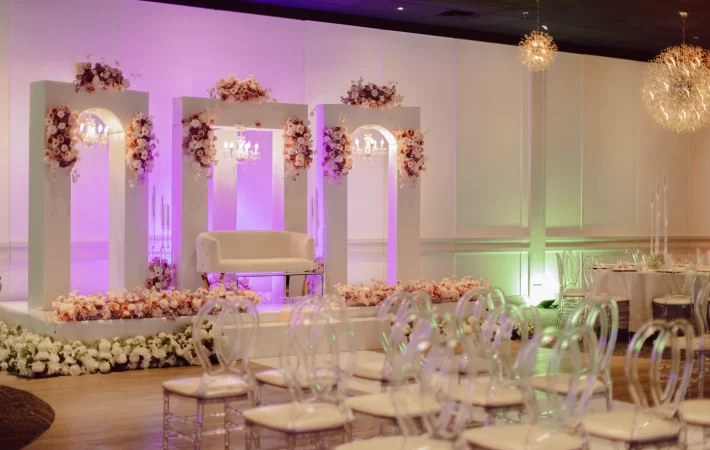
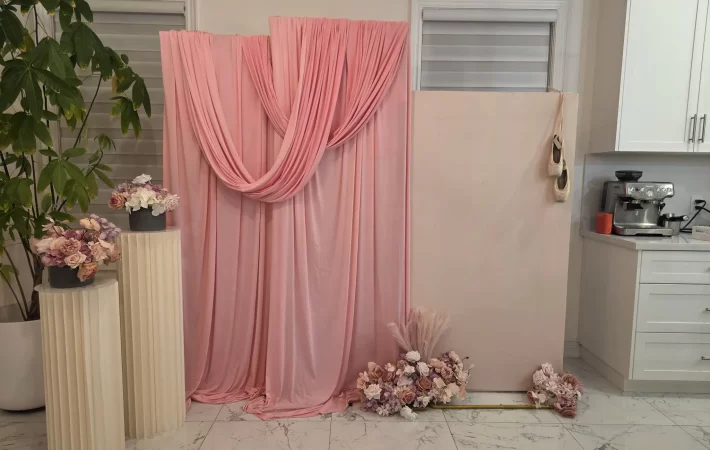
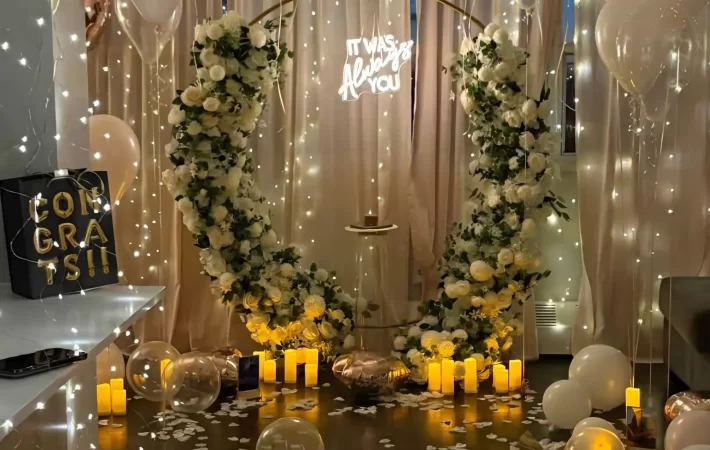
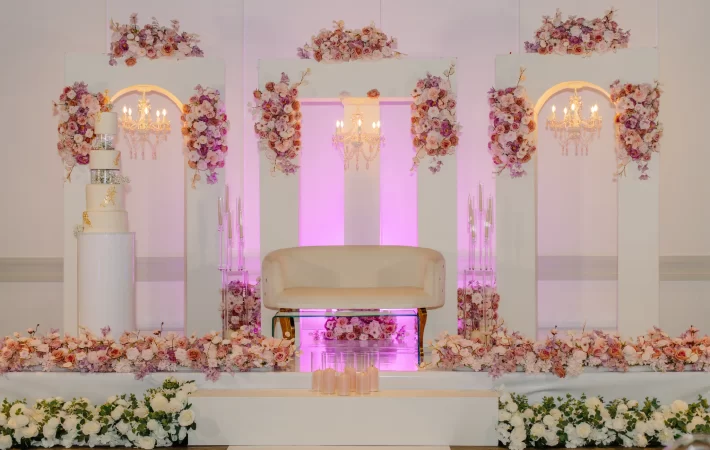
A focal point can help the dinner read as a wedding celebration without turning the room into a stage. It might be a floral detail behind the couple, a small personalized sign or a backdrop positioned for portraits. Choose the location according to the photographs and the way guests will use the space. The couple should not have to sit in an awkward place throughout dinner simply because it offers the best empty wall.
Event Creation’s wedding decor services include reception styling, floral design and rental pieces for intimate dinners as well as larger celebrations. Explain the modest scale and the moments you want to frame. The right feature may be lower, narrower or simpler than a standard hall backdrop. Ask how it will appear behind seated people and whether it remains useful for standing portraits. A design that supports both can provide a strong visual without adding another separate display.
Decide whether you need a separate cake table
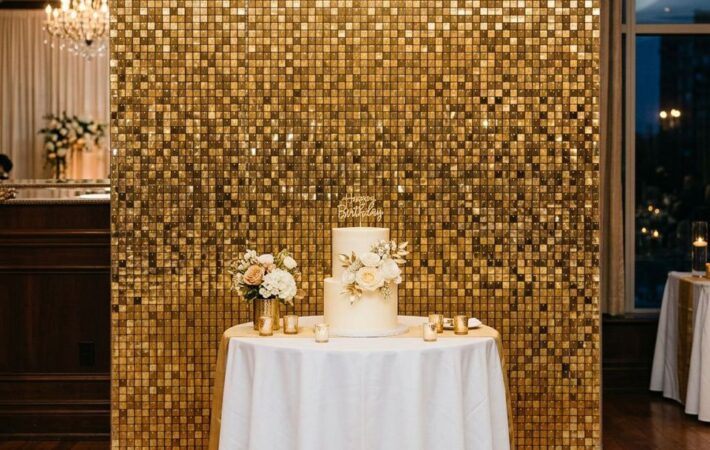
A small cake can be presented at the dining table, on an existing sideboard or on a dedicated table, depending on service and photography. Choose the arrangement with the venue and cake supplier rather than assuming an extra display is necessary. A separate cake table uses space that might otherwise support conversation or service. It earns its place when it provides a clear, practical home for the cake and the moment planned around it.
Keep the cake display proportionate. A small floral touch, a clean background and sufficient room for the couple may be all it needs. Confirm where the cake will be stored before the moment, who will bring it out and who will serve it. Decorative props should not occupy the working area needed for cutting and plates. The cake photograph can be lovely without requiring the whole dinner party to stand for a lengthy series of poses.
Use personal wording carefully
A welcome message, names or a meaningful phrase can make a small reception feel distinctly yours. Choose wording that the couple would actually say and keep it easy to read. Check spelling, punctuation and the preferred form of each name before production. Avoid filling a sign with a full schedule or multiple sentimental quotations. Guests should understand the central message at a glance, while any practical information can be provided in a clearer, separate form if needed.
Personalization does not have to be a large object. A menu note, place card or small printed message can carry the same warmth. Think about what the couple will want to keep after the dinner and what merely adds to the setup. Choose a few meaningful pieces rather than personalizing every available surface. In an intimate setting, guests are close enough to notice thoughtful details, so restraint can make those details more visible rather than less.
Protect conversation through the seating plan
The guest list at a small reception may include people who know the couple from different parts of life. Plan seating so guests can find comfortable conversation without feeling arranged like a formal conference. Introduce unfamiliar people with a simple connection and consider who might enjoy sitting together. If practical seating needs have been shared, incorporate them discreetly. The couple’s place should allow them to participate in the meal, not isolate them behind a decorative arrangement.
One shared table can feel especially intimate, but several smaller tables may suit the room better. The right choice depends on the space and guest group. Do not force a table shape simply because it looks attractive in photographs. Consider how the couple will speak with everyone and where any toast will happen. A beautiful reception is also a social setting, and the table arrangement should make that social experience easier rather than treating guests as part of a visual composition.
Plan a few photographs without turning dinner into a shoot
Identify the images that matter most: the couple together, the full guest group and perhaps a few close family combinations. Share this short list with the photographer or the person helping with pictures. Choose a moment when guests are present and the meal can pause naturally. A small reception does not need continuous staged photography to be documented well. Some of the most meaningful images may come from ordinary conversation and the couple enjoying the table they chose.
Test the portrait location before guests arrive. Check the background, the light and the space for the photographer. Avoid placing a decorative feature where it looks good only from an angle that staff need for service. If the room changes from daylight to evening, ask the photographer and venue how the chosen areas will be lit. Keep essential routes clear and let the practical professionals advise on their work. The couple should not spend the reception managing camera positions and furniture movements.
Make the timetable fit the meal
Coordinate the reception’s few planned moments with the restaurant or caterer. A toast during service can leave food waiting, while a cake cue before plates are cleared can create unnecessary confusion. Share a concise running order and choose one contact who can make small adjustments on the day. The couple should know what is planned, but they do not need to supervise every cue themselves. A helpful relative or coordinator can keep the evening moving without making frequent announcements.
Allow for the transition from ceremony to reception without making assumptions about ceremony procedures or travel timing. Confirm those arrangements with the relevant providers and build a realistic arrival window for dinner. If guests arrive before the couple, they should know where to go and what is available. A welcoming room, a clear host contact and an agreed service plan can make that interval feel like part of the celebration rather than an unexplained wait.
Keep additional experiences proportionate
A small dinner may not need a booth, a dance floor or a separate entertainment area. If one of those experiences matters to the couple, discuss whether it fits the room and timetable. A choice should add something the guests will use, not merely complete a list of familiar wedding features. There is value in allowing a lovely meal and meaningful conversation to be the main activities. The reception can feel celebratory without a constant program.
If you do add an experience, confirm its footprint, power needs, operating time and collection arrangements directly with the supplier. Check how guests will approach it and what the rest of the group will do while waiting. The setting should still function as a comfortable dinner. A smaller, carefully chosen experience can fit beautifully, while a larger one may change the entire character of the event. Make that decision deliberately so the final reception remains the celebration the couple wanted.
Arrange setup and collection around the venue’s work
Restaurants and small venues may have their own preparation and service schedule, so confirm the actual access window before finalizing the design. Tell the decorator where deliveries enter, who meets them and which areas must remain clear. Keep the scope proportionate to the available time. An intimate reception is not automatically quick to install if the access is restricted or the pieces need careful assembly. The supplier should assess the specific arrangement rather than working from a general assumption about guest count.
Confirm the removal time and the ownership of each piece in writing. Personal signs, floral items intended as gifts and rental equipment should be handled separately. Assign someone other than the couple to collect cards and keepsakes. The end of a small wedding dinner can be warm and simple when practical responsibilities are already agreed. It should not become a hurried search for packaging or a debate about who is expected to carry a decorative structure through the venue.
Keep personal wedding items organized
The couple may arrive with a bouquet, coats, bags or other items from the earlier part of the day. Arrange a practical place for them before the reception begins. A bouquet can sometimes become part of the table styling, but its placement should be discussed with the florist so it is supported appropriately and does not interfere with dining. Keep important personal belongings separate from decorative supplies and ask a trusted person to know where everything is stored.
This small handover matters because the couple should be able to arrive as guests at their own dinner. They should not have to search for a suitable vase, move rental boxes or decide where personal bags belong while relatives wait to greet them. A clear arrangement makes the transition into the reception feel calm and considered.
Review the plan from a seated guest’s perspective
Before the dinner begins, sit briefly in a few places and look around. Can people see one another, read the menu and place a glass comfortably? Does the main decoration remain visible without dominating the table? Can staff move through the room as required? This final review connects the design to the experience it is meant to support. Make the necessary practical adjustments, then resist adding last-minute pieces merely because a small area looks empty.
When you contact Event Creation, share the reception venue, date, guest count, table arrangement and the few moments you want to highlight. Include the palette and any personal wording, then confirm the final scope and timing in writing. An intimate city hall wedding reception can feel complete through a thoughtful table, a clear focal point and generous time with the people invited. The scale may be small, but the celebration can still feel entirely your own.
Planning your own event? Share the date, venue and the look you want. We will contact you within 24 hours to talk through design ideas and pricing.