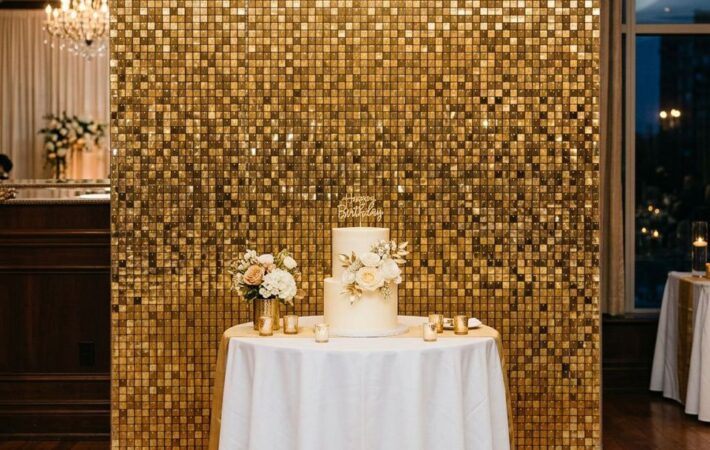
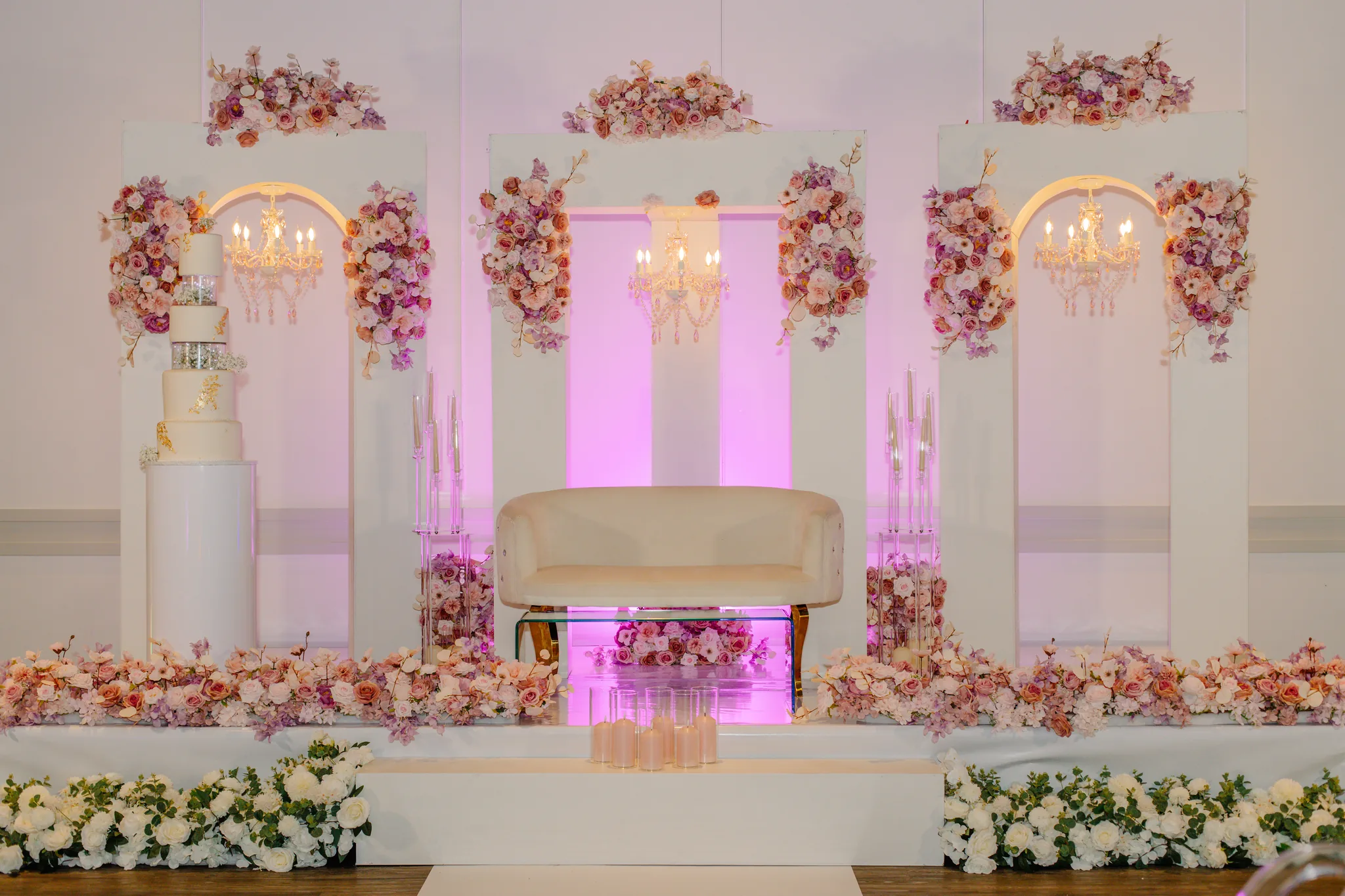
Sweetheart Table or Head Table: Styling for Your Wedding Guest List
Your reception table determines more than where you eat. It shapes who sits beside you, how easily guests can approach and what appears behind you in photographs of speeches and toasts. A sweetheart table places the couple together at their own table. A head table includes other people, with the exact guest list and layout chosen around your relationships and venue.
Neither arrangement is automatically more formal, welcoming or photogenic. The right choice depends on how you want to spend dinner, who you want nearby and what the room can comfortably accommodate. Start with those decisions, then style the table around them. Choosing the seating arrangement only because you like a backdrop photograph can leave the practical experience unresolved.
Begin with the people, not the decoration
Discuss how you would like dinner to feel. Some couples appreciate a small area where they can sit together between other parts of the celebration. Others want close friends or family at the same table throughout the meal.
Make a tentative list of the people who might join you. Consider their partners and the relationships between guests rather than applying a seating rule simply because it appears traditional. The arrangement should reflect your own event and preferences.
Also think about whether you expect to remain seated for most of dinner or move around the room. A table arrangement that suits a long shared meal may feel different when the couple frequently leaves to greet guests.
Once the social purpose is clear, the team planning your wedding decor can develop the table and backdrop around an actual experience rather than an abstract style.
Understand what a sweetheart table offers
A sweetheart table creates a distinct place for the couple. It can provide a quieter point within a busy reception and gives the decor a compact focal area. The couple remains part of the room while having a clearly defined table of their own.
The small scale can make styling more concentrated. A well-proportioned backdrop, linen and floral arrangement may create a complete composition without extending across a long row of seats. The design should still suit the room’s overall size.
Think about how close the table sits to other guests. A separate table does not have to feel distant. Its position, orientation and connection to surrounding tables influence that feeling more than the label sweetheart.
Consider the space behind and beside the chairs too. The couple needs comfortable access, and service staff should be able to reach the table without crossing awkwardly through a decorative installation.
Understand what a head table offers
A head table makes a shared group part of the reception’s focal area. It can suit couples who want conversation with particular people during dinner and who enjoy the sense of a larger table gathering.
The guest list determines the required length or shape. Avoid choosing a long table first and then deciding who must fill it. Start with the people, confirm the venue’s furniture options and see which layout gives everyone an appropriate place.
A larger table needs styling that relates to its full span. A backdrop designed for two people may appear too small behind a longer group, while a single central arrangement may leave the ends feeling disconnected.
The table also creates several photographic subjects. The couple should remain easy to identify within the group, but the other seated guests need comfortable views and a setting that works for their experience as well.
Consider alternatives to a single long row
A head table does not have to place everyone in one long line facing the room. Depending on the venue and your preferences, another table shape or a shared dining arrangement may better support conversation.
Ask the venue which furniture layouts are realistic within the room. A proposal should account for chairs, service access and the space around the table, not only the length of the tabletop.
Consider how easily people at the table can speak with one another. A very long line may look impressive from the room but make conversation across the group difficult. That may be acceptable if the visual and ceremonial role is your priority, but it should be a conscious choice.
Share the preferred relationship between the couple and the group with the designer. Styling can then emphasize connection without relying on one prescribed seating format.
Check the table’s position in the room
The couple’s table often becomes a visual anchor, but it still needs to work within the room’s circulation. Review its relationship to guest tables, the dance floor, doors and service routes.
Guests should be able to approach when appropriate without creating a queue across a busy path. The couple should also be able to leave the table comfortably for speeches, photographs or other moments.
Do not assume the most prominent wall is automatically the best location. A bright window, fixed equipment or a narrow service route may make another position more practical. The venue and event team can assess the options together.
Mark the final table position on the floor plan before the backdrop and flowers are confirmed. A late move can change the apparent scale of the decor and the direction of important photographs.
Scale the backdrop to the seating arrangement
The backdrop should relate to the people and table in front of it. For a sweetheart table, the composition may focus closely around the couple. For a longer head table, the design may need more width or a repeated rhythm across the group.
View the backdrop from the far guest tables as well as close up. A piece that looks generous beside the couple may appear small across a large reception room. Its height and width should respond to that viewing distance.
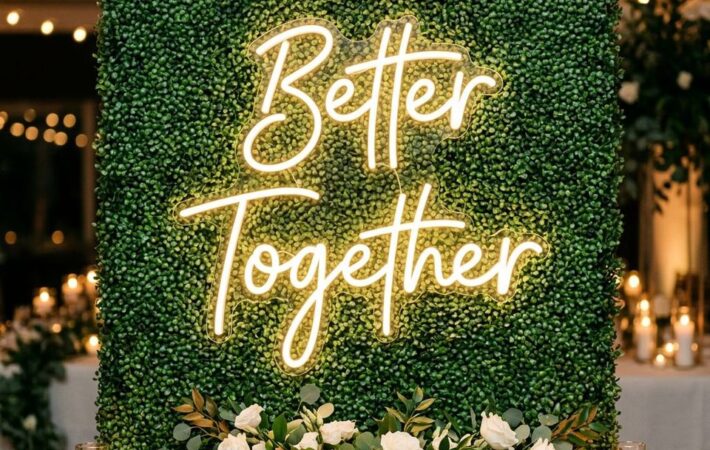
Keep faces and important wording visible. Flowers, fabric and signage should frame the seated people rather than crowding directly behind their heads.
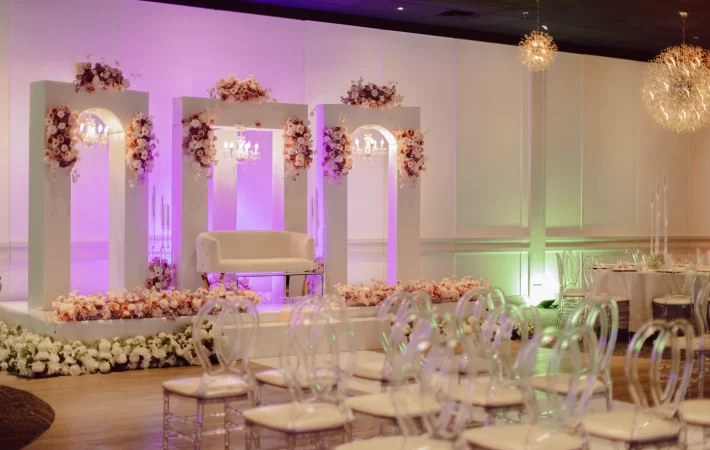
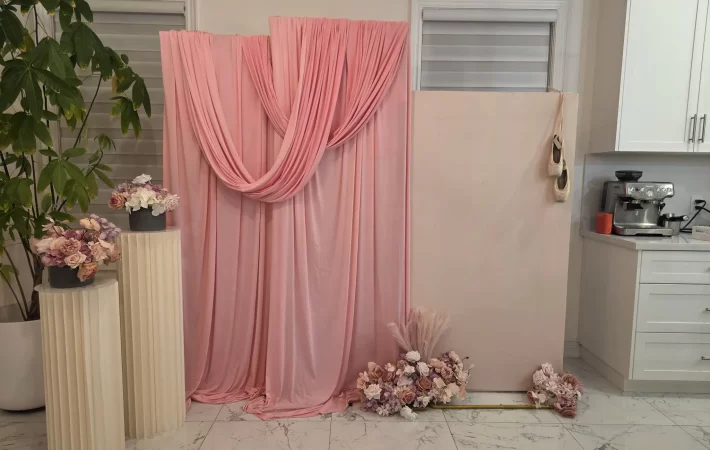
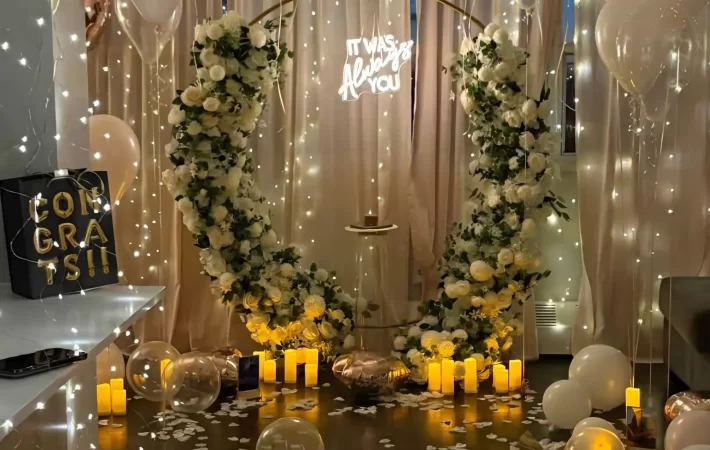
Event Creation’s head-table and main-table decor can be planned with the seating layout so the background and table read as one composition.
Decide how the couple remains the focal point
At a sweetheart table, the focus is naturally concentrated. At a head table, you may want the couple’s position to be clear within the larger group. This can be achieved through the arrangement of the backdrop, a change in floral emphasis or another controlled design detail.
A focal point does not require every other seat to look less considered. The table can remain cohesive while gently emphasizing the couple’s place.
Review the composition with the actual seat positions marked. A central decorative feature may not align with the couple if the seating plan changes. Names on a diagram are more reliable than assuming where everyone will sit.
Keep the styling connected to the rest of the room. The couple’s table should feel special within the event, rather than appearing to belong to a different celebration entirely.
Protect conversation and views across the table
Flowers and accessories should suit the way people sit. A low arrangement may support conversation, while a taller piece needs an open relationship to sightlines. The right choice depends on the furniture and the planned views.
For a head table with people facing one direction, check the view toward speeches or performances. For another seating shape, assess conversation across the table as well.
Do not judge the arrangement only from the guest-room view. The people sitting behind it may experience a much denser visual barrier than the photographer sees from the front.
Ask for a seated perspective in the design review. This helps balance the table’s role as a visual focal point with its role as a place where people spend part of the evening.
Choose flowers by emphasis and footprint
A compact sweetheart table can be overwhelmed by an arrangement that occupies most of its surface. A longer head table may need several related floral moments to feel coherent. In both cases, begin with the usable table area.
Include plates, glasses, menus and any personal items before deciding how much space remains for flowers. The styling should not require practical items to be balanced around a decorative centrepiece.
Event Creation provides floral styling with fresh work quoted individually and catalogue-based options available. Describe the look and the positions that matter rather than assuming one material must be used everywhere.
If ceremony flowers may be reused, ask whether their scale and shape suit the table. A piece designed for another viewing angle may need professional adjustment or may not be the right fit.
Coordinate linens, chairs and smaller details
The table’s visual identity comes from more than flowers. Linen, chairs, place settings and stationery all appear in photographs and influence how formal or relaxed the area feels.
Choose which element will carry the strongest character. If the backdrop is highly decorative, simpler table details may give the composition balance. If the background is quiet, the linen or floral shape can contribute more.
Check the chair backs from the main photograph angle. They may be highly visible when the couple stands or when the table is photographed before guests enter.
Keep personal objects deliberate. A meaningful detail can make the table feel yours, but too many small items may clutter the limited surface and distract from the people sitting there.
Plan for speeches and toasts
Think about where speakers will stand and where the couple will look while listening. A table arrangement should make those moments comfortable and photographically clear.
If a microphone or other equipment will be used near the table, coordinate its placement with the event team. It should not arrive after the floral design has occupied every suitable surface.
Consider the background behind the couple during reactions and toasts. A sign or floral cluster that looks balanced in an empty-room photograph may align awkwardly with seated faces once everyone is in place.
The photographer and coordinator can help review those positions. Their input is most useful before the table and backdrop are fully installed, when adjustments are easier to incorporate.
Account for access and meal service
The couple’s table still needs to function during dinner. Confirm how service staff will approach and how plates and drinks will be placed or cleared. Decorative floor pieces should not occupy those working routes.
For a larger head table, the length of the service area and the number of guests may affect the layout. Ask the venue to review the complete plan with chairs and decor included.
If the table sits on a raised area, discuss access with the venue and event team. The design should follow the practical conditions of that location rather than assuming a platform is only a visual feature.
Clear access also helps the couple move naturally through the evening. A focal table should feel like a comfortable part of the room, not a display that is difficult to enter or leave.
Make a realistic plan for reused decor
Using a ceremony piece at the reception can be appealing, but it needs a defined transfer plan. Confirm which item moves, who handles it, how long the move takes and whether the reception area is available during that window.
Check the second use honestly. A ceremony backdrop sized for standing people may not frame a seated table in the same way. A long head table may need a wider composition than the original ceremony setting.
Do not assign the move casually to guests. The supplier or designated event team should confirm whether the piece can be relocated and what work is included.
If the transfer compromises photographs or creates a rushed reset, a separate reception detail may be more practical. Reuse is useful when it supports the day, not when it becomes the day’s most complicated transition.
Keep relationship decisions separate from styling pressure
It can be tempting to choose a seating arrangement because it avoids a difficult conversation or matches an attractive reference. Take time to discuss the actual people involved before treating the table as a design decision.
A sweetheart table may simplify some seating choices, but it is not a universal solution. A head table may feel inclusive to one group and awkward to another. Your own relationships and preferences should lead.
Once you decide, explain the arrangement clearly to those who need to know. Place cards and the seating plan should support the final choice so guests are not asked to negotiate seats during the reception.
The decorator can make either option feel considered. There is no need to force a social arrangement solely to obtain one particular visual style.
Review the complete table before the room opens
Use the final seating plan to check the table, backdrop and place settings. Confirm that the couple’s positions align with the intended focal point and that all seats have comfortable access.
Look from the main guest area and from seated eye level. Check flowers, signage and the space needed for photographs or speeches. Remove unrelated setup items from the surrounding area.
Keep any corrections focused on the approved plan. The installation team should handle changes to structures or substantial arrangements, while the coordinator can help confirm seating and practical access.
A brief final review protects the experience you planned: a table that looks right in the room and works for the people who will use it.
Handle seating changes before they become decor changes
If someone can no longer attend or the head-table guest list changes, review the layout rather than simply leaving an empty position. The effect may be small, but it can alter the couple’s alignment with the backdrop or the spacing of floral arrangements.
Send the revised seating plan to the venue, coordinator and decorator together. A change known only to one person can leave place settings following one version while the table styling follows another.
For a sweetheart table, surrounding guest-table changes can still affect approach routes and the room’s balance. Check that the couple’s table remains comfortably connected to the rest of the reception when the final floor plan is approved.
Agree on a practical point for finalizing these details with your suppliers. The goal is not to eliminate every possible change, but to give the team a reliable version to install. When a late adjustment is unavoidable, describe exactly what changed and ask which parts of the design need to respond.
Choose the format that supports your evening
A sweetheart table offers a focused place for the couple, while a head table makes selected guests part of that shared dining area. The best choice follows your preferred company, conversation and movement through the reception.
Prepare the decision with a guest list, venue floor plan and a few styling references. Identify what you like about each image instead of assuming that its seating format must be copied to achieve the same feeling.
Then ask for a design that connects the table, backdrop, flowers and practical access. Those elements should reinforce one another rather than being ordered as separate attractive objects.
To discuss a table arrangement and decor plan for your venue, contact Event Creation with your date, guest count and preferred direction.
Planning your own event? Share the date, venue and the look you want. We will contact you within 24 hours to talk through design ideas and pricing.