Bridal Shower Decor: Personal Details Without a Crowded Room
Bridal shower decor has two jobs: make the guest of honour feel celebrated and give guests a comfortable setting for spending time together. Those aims can get lost when every attractive idea becomes another table, sign or display. A personal shower does not need a decorated station for every activity. It needs a clear visual direction, a few meaningful details and enough usable space for conversation, food and photographs.
Start with the person and the gathering rather than a fixed idea of what a shower should look like. Some guests of honour enjoy a soft floral lunch; others would prefer a colourful brunch, a modern dinner or a relaxed afternoon with close friends. The design should reflect that preference. Once the event’s mood is clear, choose the pieces that support it and let the room remain open enough for the celebration to feel welcoming.
Ask what would feel personal to the guest of honour
Before collecting inspiration, ask about colours, interests and the kind of attention the person enjoys. A favourite setting, flower, food tradition or shared memory may suggest a direction. Do not assume that a bridal shower must use a particular palette or phrase. The guest of honour may love a classic bridal look, or they may prefer something less conventional. Treat that choice as the foundation of the design rather than a small preference to fit into an already selected theme.
Also ask what they would rather leave out. They may dislike games involving personal questions, public gift opening or childhood photographs. These preferences affect how the room is arranged as well as the program. If gifts will be opened privately later, the main seating does not need to face a presentation chair. If there are no organized games, the table can remain focused on food and conversation. Personal decor begins with understanding how the person wants to experience the gathering.
Choose one design direction that can guide the whole room
A useful direction can be expressed in a short sentence, such as “a garden-inspired lunch with soft green and white details” or “a bright, modern shower with one bold colour.” That statement helps you judge later additions. A new object should either strengthen the direction or serve a practical need. If it does neither, it may simply add clutter. You do not need to include every motif connected to weddings, flowers, romance and the guest of honour’s hobbies at once.
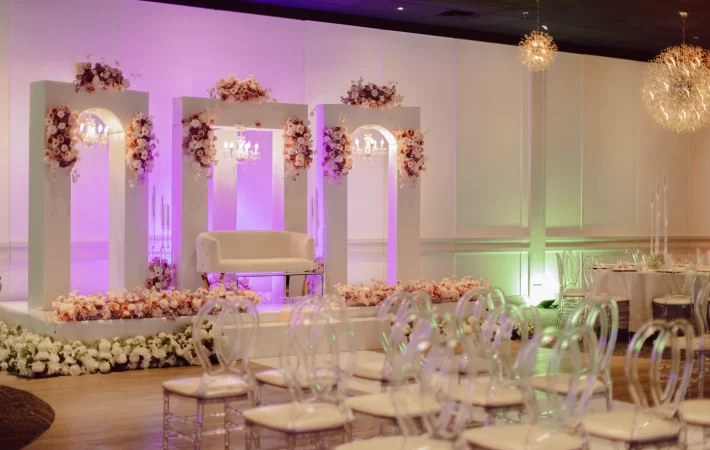
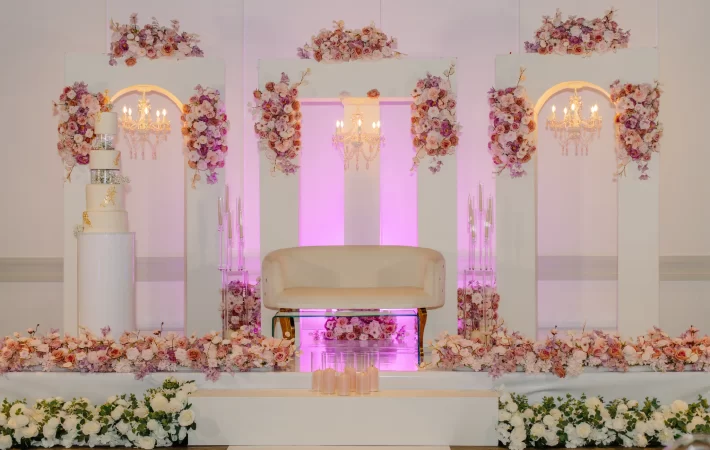
Event Creation’s bridal shower decor service provides a starting point for discussing backdrops, table styling and a coordinated setting. Share a small selection of reference images and explain the specific details you like. Perhaps one has the right colour balance and another has a simple table arrangement. Combining those qualities into a clear brief is more useful than asking for several complete looks to coexist. The room should feel like one celebration rather than a collection of saved pictures.
Choose the main photograph area first
The primary photo area establishes the visual identity and often becomes the place where guests gather with the guest of honour. Decide where it belongs before assigning every other surface. Look at the background, the light and the room needed for people to stand together. A display that fills an empty corner may be too wide once chairs and guests are present. Think about the photograph from the camera’s position, not only the view from the entrance.
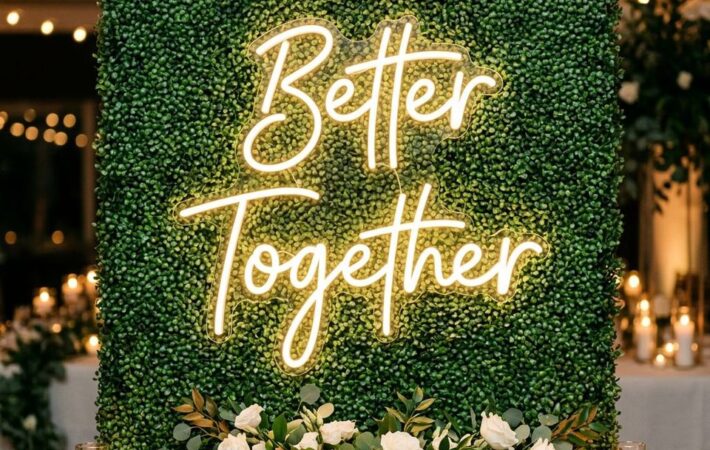
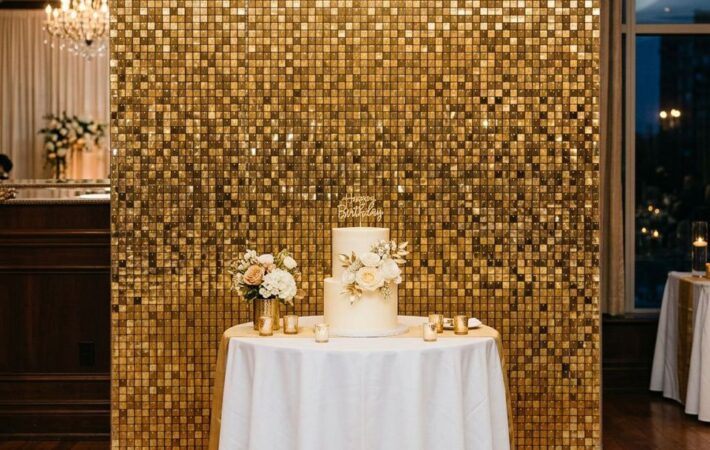
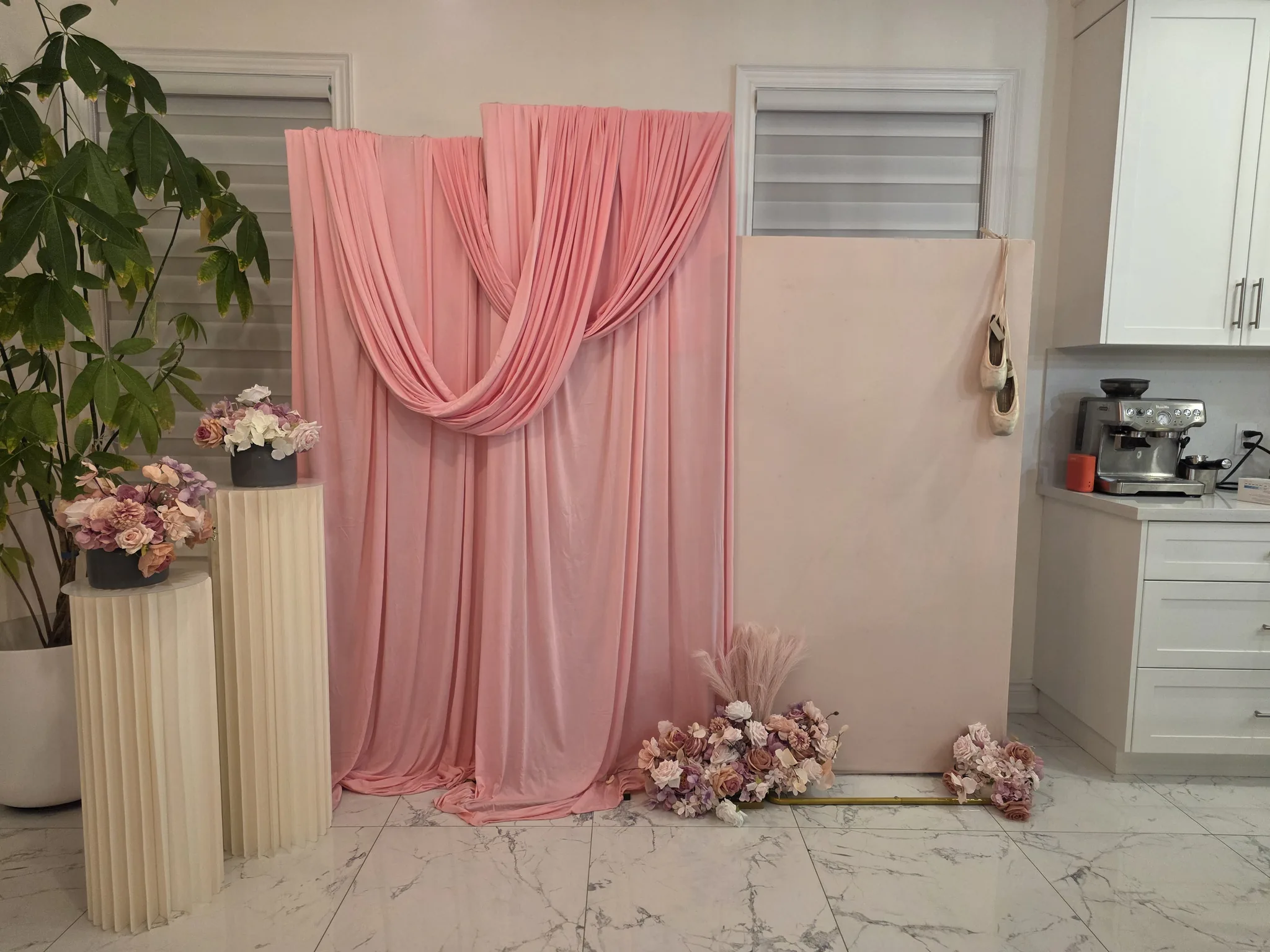
Keep the design focused. A backdrop, a restrained floral or balloon detail and a personal name or phrase may be enough. If a cake or dessert table sits in front, make sure it does not hide the wording or force people into an awkward line. Leave a clear place for the guest of honour and a few friends. The display should invite photographs naturally, without requiring guests to move furniture or step around a collection of decorative objects each time they approach it.
Make personalized wording sound like the person
Custom text can make a shower feel specific, but it works best when it is natural and readable. Use a preferred name, a simple message or a phrase the guest of honour actually likes. Check spelling and punctuation carefully before production. Avoid stacking several sentimental quotations on the same display. One clear message has more impact than a wall of words that guests cannot read from a normal distance or that disappears behind the people in photographs.
Think about whether the wording will still feel welcome in a keepsake photograph years later. A trend-based slogan may be fun, but a personal detail can have more lasting meaning. There is no need to make every object custom. A well-chosen sign can carry the personal identity while flowers, tableware and smaller accents remain simple. This approach gives the room a focal point and reduces the number of items that need approval, production, transport and storage after the event.
Let the dining or refreshments table stay usable
Guests need room for plates, glasses, food and their own movement. Build the table arrangement around those needs, then add decor. If the meal is family-style, leave space for serving dishes. If food is presented elsewhere, keep the route between the seating and service area clear. A table can look beautifully finished without every centimetre being occupied. The goal is a setting guests can enjoy for the full gathering, not only an untouched photograph taken before they sit down.
Event Creation’s table setup and centrepiece service can be briefed with the table dimensions, seating plan and service style. Discuss how the selected pieces will work with the venue’s own tableware and furniture. Check sightlines across the table and the practical position of any name cards or menus. Guests should not have to move flowers to see a friend or balance a plate around a decorative sign. Comfort is part of the finished appearance.
Use flowers where they add the most
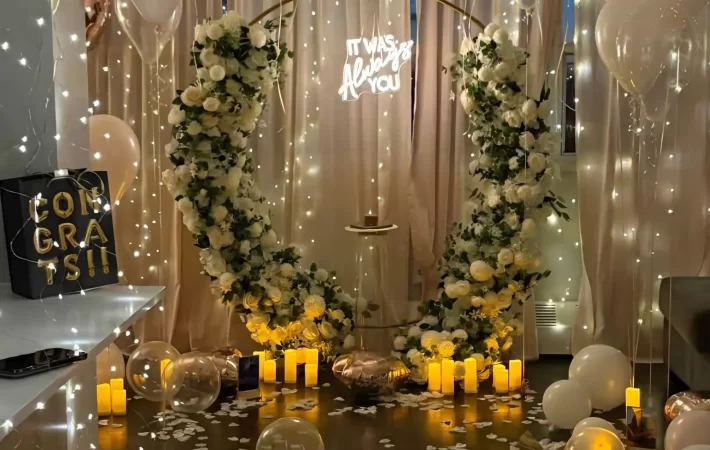
Flowers can soften a backdrop, create a centrepiece or add a small detail to the welcome area. Choose their role before choosing the quantity. If the main display already has a strong floral presence, the tables may need only modest arrangements. If the room’s main feature is the dining table, that may be the right place for more attention. The floral plan should connect the areas without making every one equally elaborate.
Event Creation offers flower decorations with artificial options and fresh floral design by custom quote. Clarify the material and the intended look rather than treating all reference photographs as interchangeable. Fresh flowers depend on the agreed design and availability, so ask what is proposed for the actual date. Confirm which pieces are rentals and which, if any, can be kept. That distinction matters if you hope to use arrangements as gifts or take them home after the shower.
Give gifts a practical location
If guests are bringing gifts, provide a place that is easy to find but does not dominate the main photo setting. A gift table can be functional and still look considered through a small sign or a coordinated detail. It does not need its own large backdrop. Leave enough usable surface for the expected items and choose someone to keep cards with the correct gifts. Avoid allowing arrivals to become a public comparison of package sizes or elaborate wrapping.
Decide in advance whether gifts will be opened during the shower. If they will, plan seating and timing so guests can see comfortably without the activity taking over the whole event. If they will not, the gift area can remain a quiet part of the room. The guest of honour’s preference should guide the choice. A clear plan prevents a well-meaning relative from starting an extended gift-opening session that was never part of the agreed celebration.
Combine compatible functions instead of multiplying stations
A small room often works better when one surface performs related jobs. A welcome table might also hold a guest message book, provided arrivals can use it without blocking the entrance. A dessert table might carry a small personal photograph display if the items do not interfere with food service. Combine thoughtfully rather than simply placing everything wherever there is space. Each area should remain understandable, with one primary purpose and a clear way for guests to approach it.
Do not combine functions that compete. A card box beside a busy drink station may be overlooked, while an audio message activity in a noisy conversation area may be difficult to use. Think about how long guests will pause and what they need to do. If two activities create separate queues, they may need different positions. The aim is to reduce unnecessary furniture and decoration while preserving the practical clarity that makes the room easy to enjoy.
Choose one meaningful guest contribution
Guests can contribute to a keepsake through a written message, a shared photograph or another simple prompt. Choose one format that suits the guest of honour instead of offering several competing activities. Ask a specific question, such as a favourite shared memory or a wish for the coming chapter. Keep participation optional and explain whether messages are private. A thoughtful prompt often creates a more personal result than a large blank book with no guidance about what to write.
Place the activity where guests can take a comfortable moment without holding up arrivals or food. Provide the necessary materials and assign someone to collect them at the end. If the format involves recording or photographing guests, explain how the result will be used and ask before sharing it publicly. The contribution is meant as a gift to the person being celebrated. It does not need to become an additional performance or a source of social content for everyone organizing the shower.
Keep activities connected to the atmosphere
Games and activities should reflect the group and the guest of honour’s preferences. A relaxed lunch may need little more than conversation, while another shower may enjoy a creative task or a few light games. Avoid choosing activities that pressure guests to reveal personal information or that make the guest of honour uncomfortable. Decide the program early enough that the room can support it. If people need to write, create or move around, they need practical space rather than a fully decorated surface with nowhere to work.
Keep transitions brief. A helper can explain an activity, provide materials and let people participate without repeated announcements. Do not schedule something every few minutes simply because the event has several generations or friendship groups. Guests often value time to talk with the person they came to celebrate. The activities should create opportunities for connection while allowing those ordinary conversations to happen. A calm program also reduces the number of separate signs and decorative stations needed around the room.
Plan food and decor as one usable arrangement
The food provider and decorator should understand the same layout. Confirm where food is served, where the cake stands and which surfaces must remain clear for working supplies. Gather dietary needs through the appropriate hosts and communicate them directly to the provider. Decorative labels should not replace accurate ingredient information. If a dessert display is part of the look, make sure guests can understand what is available and reach it without disturbing flowers, signs or other display pieces.
Think about the table after serving begins. There should be a plan for replenishment, used plates and empty trays. The room will look different once people use it, and that is normal. A practical arrangement can stay welcoming throughout the event without a host constantly restoring it for photographs. Keep spare supplies out of the main view but easy for helpers to reach. The best styling supports service instead of requiring service to work around an untouchable decorative scene.
Use seating to make different groups feel welcome
Bridal showers can bring together family, old friends and people who have not met before. Arrange seating to support comfortable introductions without overengineering every conversation. A host can help by connecting guests through a shared interest or relationship. Consider practical needs that guests have mentioned and avoid leaving someone unfamiliar at an isolated edge of the room. If there are no assigned places, make it clear where people can settle so they are not waiting for instructions.
The guest of honour should have a comfortable place in the group rather than being positioned as a display throughout the event. A special chair may suit a photograph or gift moment, but it does not need to dictate the entire afternoon. Allow them to move, sit with different guests and enjoy the gathering. The decor can identify the occasion without physically separating the person being celebrated from the people who came to spend time with them.
Check what the room can support before adding more
Walk the proposed layout as though guests are already present. Imagine someone carrying a plate, two friends stopping for a photograph and a helper bringing in a tray. If those ordinary actions compete for the same narrow area, remove or reposition something before adding another decorative piece. Ask the venue about access and installation rules and share the confirmed information with suppliers. A room feels more generous when people can move naturally, even if the actual footprint is modest.
Review the lighting from the guest’s and photographer’s perspectives. The main display should be visible without placing people against an uncomfortable glare or in a route needed for service. Keep power-dependent items positioned according to the supplier’s requirements. Do not improvise cable arrangements or move installed pieces after the team leaves without checking. Practical setup decisions protect both the look and the usability of the room, and they are easiest to resolve before guests arrive.
Make the personal details easy to keep
At the end, separate keepsakes from rentals and disposable supplies. Give one person responsibility for the guest messages, cards, personal signs and any borrowed photographs. If flowers are intended to go home with guests, confirm that plan and provide the necessary handling information through the supplier. Avoid handing out pieces simply because they look portable. The guest of honour should receive the meaningful material without having to search through cleanup boxes later.
Keep a small collection of photographs of the room and the people together. The untouched decor records the design, but the occupied room records the shower itself. Ask before sharing images publicly and respect the guest of honour’s preferences. A personal celebration does not need extensive online documentation to be meaningful. The keepsakes can remain private, especially where they include heartfelt messages or photographs contributed by family and friends for a specific occasion.
Send a focused bridal shower brief
When you contact Event Creation, include the date, venue, guest count, meal format and the guest of honour’s preferred mood. Share a few reference images, approved wording and the areas you want styled. Explain which activities are actually planned so the design leaves room for them. Confirm the final pieces, installation and collection arrangements in writing.
A bridal shower feels personal when the choices reflect the person and comfortable when the room supports the guests. A clear photo setting, a usable table and a few meaningful details can achieve both. The purpose of the decor is to give the gathering a considered setting, then allow the conversations, affection and shared time to become the part everyone remembers.
Planning your own event? Share the date, venue and the look you want. We will contact you within 24 hours to talk through design ideas and pricing.