Wedding Welcome Areas: Signs, Guest Books and First Impressions
A wedding welcome area should do more than look attractive before guests arrive. It helps people recognize the event, understand where to go and settle into the celebration. Signs, guest books, personal displays and practical information can all play a role, but they need a clear order. When every item asks for attention at the entrance, guests may stop in the doorway without knowing what they should do first.
Begin with the arrival journey. Consider where guests enter, what they can see and which decisions they need to make immediately. Then place decorative and interactive details around that sequence. A thoughtful welcome area can feel personal while remaining easy to use. The best first impression is both visual and practical: guests know they are in the right place, feel expected and can move comfortably into the event.
Identify the first decision a guest needs to make
At some venues, guests simply need to recognize the couple’s names and follow a clear route. At others, they may need to choose between several rooms, leave a coat or find a seating display. List those decisions in the order they occur. The first sign should answer the most immediate question rather than present all the event information at once. A beautiful welcome message is useful only if it is placed where guests can see it before they become uncertain.
Walk the approach from outside the event space with the venue contact. Check what is visible from the actual entrance and whether other events or public activities share the area. Do not assume that a photograph of the empty foyer tells the whole story. Doors, queues and staff activity may change the view on the day. The venue can confirm where signs and displays may stand. Build the design around those confirmed locations rather than planning to occupy a convenient spot without permission.
Separate welcome, direction and participation
A welcome sign identifies the occasion. Directional information helps guests move. A guest book or message activity asks them to pause. These functions can be visually coordinated without being placed on the same surface. Consider how long each task takes and how many people will arrive together. If every guest must stop to read, write and look for a table number in one narrow area, the entrance can become crowded quickly.
Create a simple sequence. Guests can first recognize the wedding, then find any essential direction, then choose whether to use a message station once they have moved clear of the doorway. The exact layout depends on the venue, but the principle is to make the next step obvious. Decorative details should reinforce that clarity. Avoid adding several equally prominent signs that compete for attention or repeat the same information while leaving the practical question of where to go unanswered.
Make the main welcome wording readable
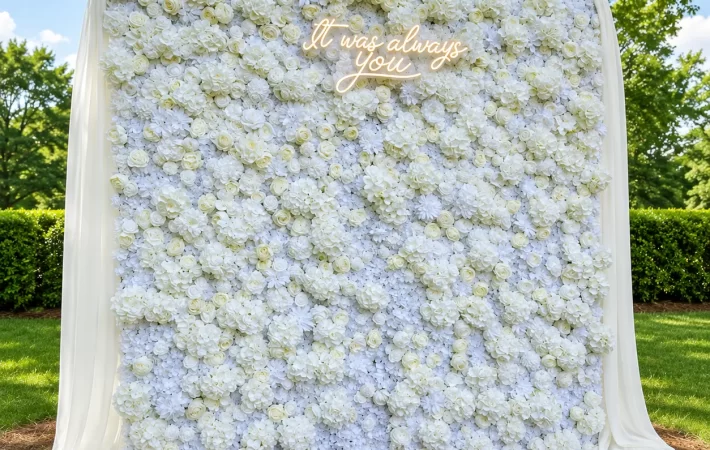
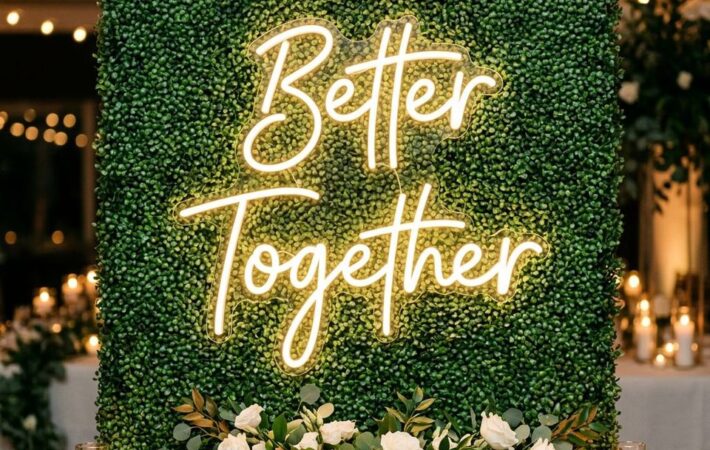
Keep the primary sign focused on the couple’s names and the occasion. Include a date if it serves the design, but avoid filling the sign with a long quotation, a complete schedule and several instructions. Guests should be able to recognize the message from a normal approach distance. Decorative lettering can provide personality, but the important names and words still need to be clear. Review the layout at the intended size rather than judging only a small digital preview.
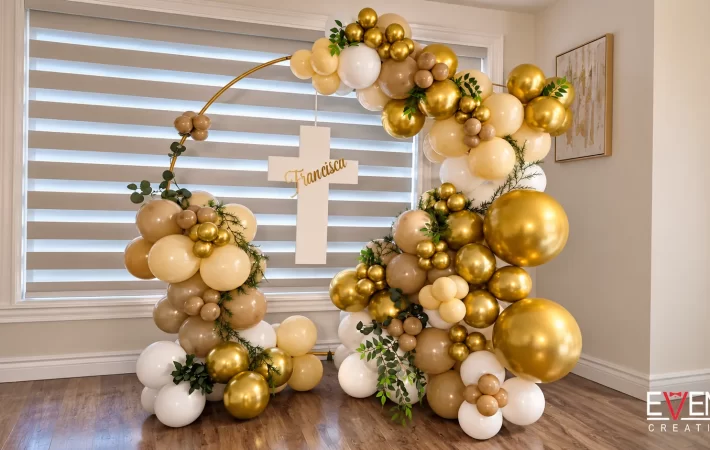
Event Creation’s welcome signs and event displays provide a starting point for discussing a personalized arrival setting. Supply the exact approved names and wording, including punctuation and any language requirements. Ask the couple to check the final version directly. A relative’s preferred wording may differ from theirs, especially around names and family traditions. Keep one approved reference so the supplier receives a clear instruction and later changes do not create conflicting versions.
Place the display where it supports movement
A welcome sign should be noticeable without becoming an obstacle. Look at how guests will approach, whether they may arrive with bags or mobility aids and where people naturally stop to greet one another. Keep the doorway and essential routes usable. A display that sits beautifully in the centre of an empty foyer may force guests to split awkwardly around it once the space fills. Ask the venue and installer to confirm a suitable placement for the specific structure.
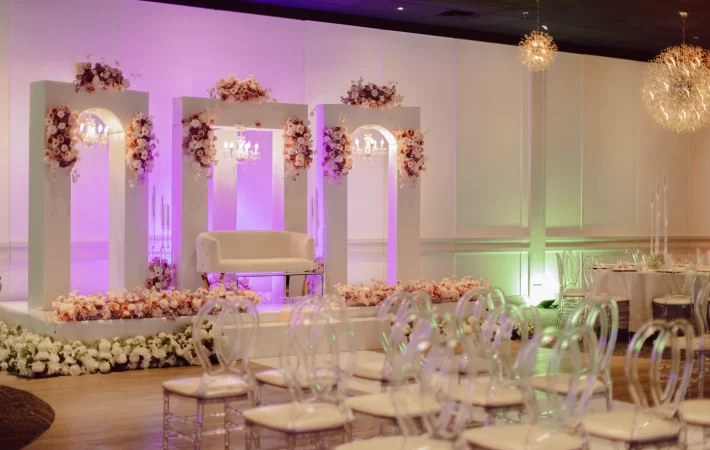
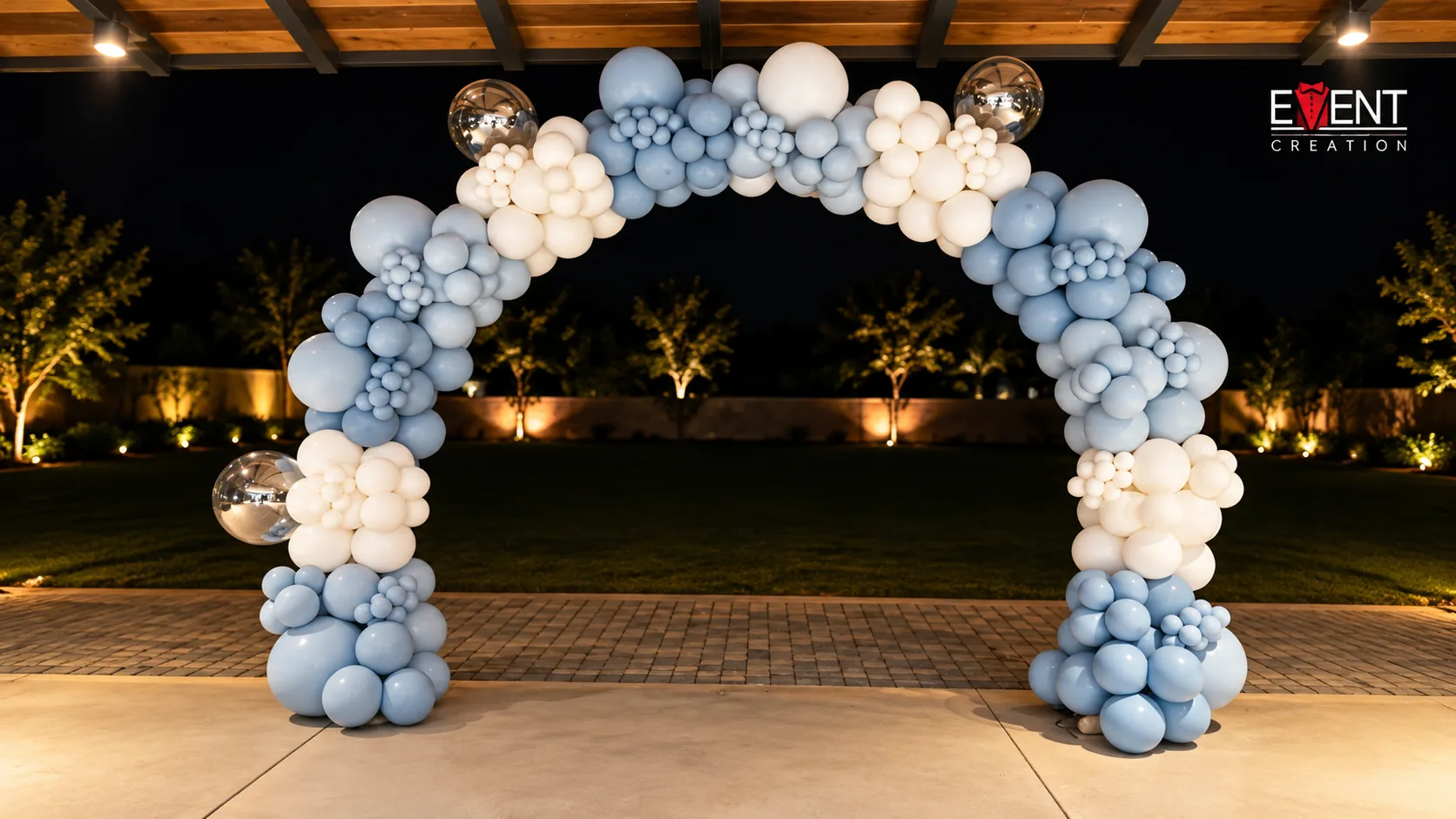
Think about the sign’s supporting pieces too. Flowers, lantern-style decor, plinths or other accents can broaden the footprint beyond the sign itself. Include them in the layout rather than adding them after the main position is approved. Guests should not need to step between decorative objects to read the message. The arrangement can still feel generous through proportion and colour while leaving the floor around it clear enough for ordinary arrivals and conversations.
Decide what the guest book is meant to collect
A guest book can record names, thoughtful messages or memories. Decide which purpose matters most before choosing the format. A blank page may suit guests who enjoy writing, while a specific prompt can help others contribute something more personal. Keep the request simple enough to understand without a host explaining it repeatedly. The activity should feel like an invitation, not an obligation that guests must complete before they are allowed to enter the celebration.
Consider how the couple will use the result afterwards. They may want a traditional book, a collection of cards or another format that can be kept easily. Choose materials and an arrangement that support that purpose. Avoid selecting an activity solely because the station looks attractive in photographs. The most meaningful result comes from guests understanding what to contribute and having a comfortable opportunity to do so, not from the complexity of the display around the writing materials.
Give written messages a comfortable place
A writing station needs more than a pen beside a decorative object. Guests need a stable surface, enough room for the book or cards and a practical place to stand or sit. Check the lighting and the height of the table. If several guests may write at once, provide an arrangement that does not require everyone to lean over one small area. Keep spare materials available through a helper so the activity remains usable throughout the event.
Place the station away from food service and crowded arrival traffic where possible. Guests may want time to think, especially if the prompt invites a personal memory. A quieter position can produce more thoughtful messages than a table squeezed between the entrance and a busy bar. The station can still be visible and visually connected to the welcome design. Use a clear, short instruction and let the guests decide when they would like to contribute.
Consider audio messages as a separate experience
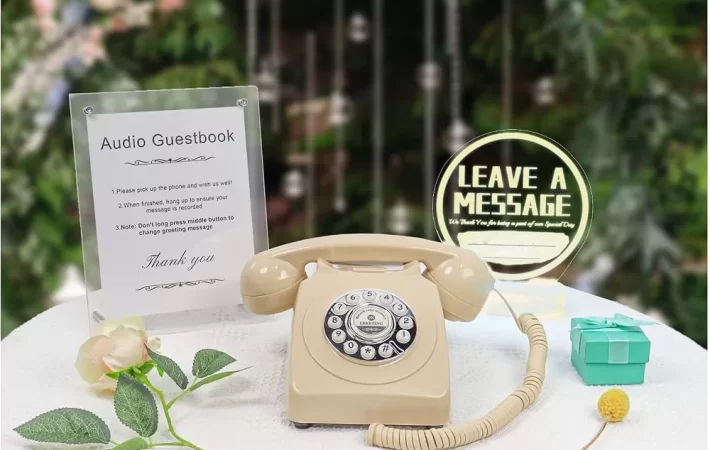
An audio guest book can capture voices and spontaneous messages, but its placement needs different thought from a written book. Ask the provider how the selected system works and what guests need to do. Event Creation lists an audio guest book rental among its event extras. Confirm the booking details, recording process and delivery of the finished material directly rather than assuming every system operates in the same way.
Choose a location where guests can understand the instructions and speak comfortably without competing with the loudest music. It should be easy to find but should not block the arrival route while someone records. Explain that messages are being recorded for the couple and keep participation voluntary. Guests should know the intended use of their contribution. If the couple later wants to share recordings publicly, they should ask the people involved rather than treating a personal wedding message as automatic permission for wider publication.
Keep seating information distinct and easy to update
If guests need table information, place it where they can read and move on without competing with the guest book. The display should make finding a name straightforward and avoid unnecessary decorative complexity. Confirm the final names and table assignments through one authorized source. Last-minute changes are easier to handle when the information format has been considered in advance. Do not rely on several relatives maintaining separate versions of a seating list.
Check the display from the guest’s perspective. Can someone find the relevant information without leaning over another person or blocking the entrance? Is the text readable in the actual light? If a guest cannot find their name, there should be a known host or coordinator who can help discreetly. The seating display is a practical service to guests, so its clarity matters more than making it the largest or most elaborate element in the welcome area.
Use florals to connect the entrance to the reception
Flowers can make the welcome area feel like part of the wedding’s overall design. Repeat a colour, texture or general floral direction from the reception without recreating the entire table arrangement at the entrance. Choose the scale according to how guests will see the display and how close they can approach it. A restrained accent may be enough beside a personalized sign, while a larger foyer may support a more substantial arrangement if it leaves movement clear.
Event Creation’s flower decoration services include artificial pieces and fresh floral design by custom quote. Clarify which materials are proposed and how they will be supported in the display. Fresh floral choices depend on the agreed design and availability, so confirm the final proposal rather than assuming a reference photograph promises identical stems. Include collection and ownership arrangements, especially if the couple hopes to move or keep any floral piece later in the evening.
Add personal displays selectively
A photograph of the couple, a meaningful object or a small set of messages can add warmth to the welcome area. Choose details that guests can understand and that the couple is comfortable sharing. Avoid turning the entrance into an extensive relationship history that requires a long stop before the event. A few well-chosen items invite curiosity without overwhelming the practical functions of the space. They also leave room for the couple’s names and essential directions to remain clear.
Use copies of valuable photographs where possible and protect borrowed objects. Keep private details out of view, including addresses or personal documents that may appear in images. If a display includes family remembrance or cultural elements, ask the couple and relevant family members how they want those represented. Do not improvise symbolism based on assumptions. Personalization is strongest when it comes from the people involved and is presented with the care appropriate to its meaning.
Plan the handling of cards and gifts
If cards or gifts are expected, provide a clearly understood location and assign a trusted person to oversee it. Keep the practical arrangements discreet. A decorative card container may form part of the welcome setting, but its appearance does not replace a plan for who collects the contents and when. Confirm that responsibility before the event so the couple is not searching for cards during the final cleanup.
Consider whether the gift area will remain in the same place throughout the reception. If it needs to move, identify who will handle the transfer and where items will go. Avoid placing gifts where they interfere with the guest book or seating information. The welcome area should help arrivals feel smooth, and separate tasks may need separate surfaces. Keep personal items clearly distinguished from rental decor so nothing important is packed with supplier equipment or left behind when the display is removed.
Match the setup to the arrival window
The welcome area must be complete before the first guests need it, which may be earlier than the formal event start. Confirm the venue access time and the supplier’s installation requirements. The arrangement may look simple but still need careful assembly, positioning and text checks. Give one named contact authority to approve the final placement within the agreed plan. This prevents a succession of relatives from moving pieces after the installer has completed the setup.
Check all interactive materials during the final walkthrough. Pens should be available, instructions should be visible and any booked equipment should be tested by the responsible provider. Confirm that the names on practical displays match the approved information. Take a photograph of the finished arrangement for reference, then leave it ready for use. The point of the final check is to ensure guests can interact with the area comfortably, not to keep adding small decorative objects until every open space disappears.
Decide whether anything will move later
Some couples hope to reuse an entrance arrangement elsewhere during the reception. That can be possible for certain pieces, but it should be planned with the supplier rather than assigned casually to a guest. Ask whether the piece is designed to move, who will handle it and when the route will be clear. A sign, a floral arrangement and a structural backdrop each have different handling needs. The plan should identify the specific piece and its second location.
Do not remove an essential welcome or direction display while late guests may still need it. If an item moves, make sure the remaining arrangement continues to answer the practical questions. A guest book can sometimes remain available longer in a quieter area, but guests need to know where it is. Reuse should improve the event without creating a new gap in the arrival experience or requiring the couple to coordinate a mid-reception furniture move.
Make the end-of-night collection clear
Assign responsibility for the guest book, written messages, recordings, cards and personal photographs. These items may be small, but they can be among the most meaningful things the couple takes home. Keep them separate from disposable supplies and rental pieces. Confirm any provider’s process for returning digital or recorded material so the couple knows what to expect. Avoid assuming that every keepsake will automatically arrive together simply because the items shared one welcome table.
The rental collection plan should also be clear in the written booking. Supplier-owned stands, signs or supporting decor must be handled according to that agreement. Give the closing contact a simple list of personal items to collect and rental pieces to leave for the provider. This makes the end of the event easier and protects the value of the welcome area beyond its first impression. The couple should receive a coherent set of memories rather than several unlabelled bags gathered in a hurry.
Brief the welcome area as a guest journey
When you contact Event Creation, share the venue, date, guest count and photographs of the arrival area. Explain what guests need to do there: recognize the wedding, find seating, leave a message or move toward the reception. Include approved wording and the personal details you want displayed. Confirm the final layout, supplied pieces and service arrangements in writing.
A successful wedding welcome area feels clear before it feels complicated. Guests recognize the couple, understand the next step and have comfortable opportunities to contribute or pause. Signs, flowers and guest books can then work together as a considered introduction to the day. When the practical journey is well arranged, the personal details have space to be noticed and the celebration begins with people feeling genuinely welcomed.
Planning your own event? Share the date, venue and the look you want. We will contact you within 24 hours to talk through design ideas and pricing.