Wedding Decor for Blended Family Traditions: Building a Shared Brief
When a wedding brings together different family traditions, the decor brief needs more than a colour palette. It needs to explain what particular elements mean, which details the couple wants to include and who can confirm their accurate presentation. A shared brief helps the design reflect this wedding rather than a collection of assumptions about the families involved.
Different traditions can come from culture, religion, family history or the personal customs developed within a household. Families with a similar background may still celebrate differently. The useful starting point is the couple’s actual priorities and the references their families choose to share, not a standard visual formula for combining identities.
Event Creation’s wedding service describes working from each family’s own traditions, colours and references. The following process turns that approach into a practical brief for ceremony decor, reception styling, personal wording and the meaningful details that connect the day.
Let the couple define the wedding’s centre
Begin with the two people getting married. Ask what they want the ceremony and reception to express and which parts of their family histories they want represented. The wedding may honour many relationships, but the couple should have a clear voice in the design decisions that frame their day.
Write a short statement of the shared direction. It might describe a calm ceremony with meaningful family elements followed by a lively reception, or a contemporary room that incorporates a few carefully selected traditions. These are illustrative directions, not preferred formats. The sentence should belong to the couple.
Use that statement when suggestions arrive. An idea can be meaningful and still not belong in the decor plan. It may fit a speech, a private family gathering or another part of the wedding instead. The brief helps distinguish inclusion from the assumption that every contribution needs a visible display.
Ask families for meaning before images
Invite family members to explain the details they consider important. Ask what an object, colour, phrase or arrangement represents and how it is normally used in their family. This conversation gives the decorator context that an inspiration photograph cannot supply by itself.
Record the explanation in plain language. The brief does not need to become a history essay. A few accurate sentences about the element’s purpose, the moment when it appears and the person who can approve it may be enough to guide the design responsibly.
Do not assume that one relative speaks for every family member. Where preferences differ, let the couple and family resolve the intended approach before it becomes a supplier instruction. The decorator can help present the chosen element but should not be asked to decide which version of a family tradition is correct.
Separate meaningful requirements from aesthetic preferences
Some details may have a specific meaning or required form for the people involved. Others may be preferences about colour, fullness or placement. Mark the difference so the design team knows which elements can be adapted and which need careful approval before any change.
For example, the family may be flexible about the surrounding flowers while requiring particular wording to remain exact. A personal object may need a specific role in the ceremony, while its reception display is optional. These distinctions are useful only when the host confirms them; the supplier should not infer them from appearance.
This separation allows creativity without treating every reference as untouchable. The designer can propose ways to connect the elements visually while preserving the details the family has identified as essential. A thoughtful brief creates room for adaptation in the right places.
Decide where each tradition belongs in the day
Not every meaningful element needs to appear throughout the wedding. Some belong to the ceremony, others to a reception welcome, a meal, a family photograph or a private moment. Place each within the actual program before deciding how it will be styled.
This helps avoid using a meaningful object as a generic decorative prop. The brief should explain its role and whether it remains on display after that role is complete. If it moves or is removed, identify who handles it and where it goes next.
Event Creation’s cultural celebration approach supports working from the host’s own references. Use that discussion to clarify the presentation, while the couple and their chosen advisers determine the traditions themselves. The styling should serve the meaning that has been approved.
Build one visual direction without making everything identical
A shared wedding design can contain different materials and meaningful elements. It does not require every tradition to be represented in the same size, colour or form. Begin with a consistent overall direction, then allow specific details to keep the characteristics that make them recognizable and personal.
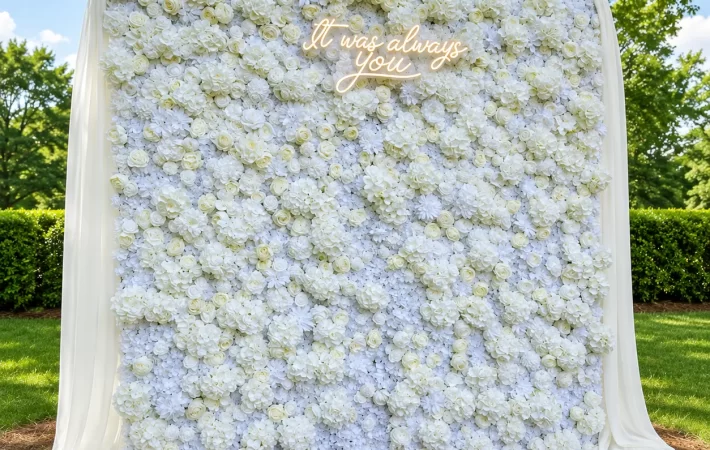
Look for connections such as a repeated neutral background, a common floral palette or a consistent treatment of signage. These can help the room feel considered without forcing unrelated elements into an artificial visual match. The design should create a setting in which each chosen detail belongs.
Discuss what should be prominent and what should be encountered more quietly. A ceremony focal point has a different role from a family photograph on a welcome table. Giving every element equal visual weight can make the room harder to read and may obscure the couple at the centre of it.
Create a clear approval route
Name the couple’s final decision contact for the design. Family members may review the details they understand best, but the supplier should receive one confirmed direction. This prevents separate conversations from producing contradictory instructions about the same piece.
Assign specialist approvals where appropriate. A fluent speaker can review wording, a family representative can confirm the intended presentation of an heirloom and the couple can approve the overall composition. The brief should explain these roles without creating several competing final approvers for every decision.
Keep approvals attached to the actual item or wording being reviewed. A general statement that the family liked the concept does not confirm the spelling on a sign or the arrangement of a meaningful table. Clear, specific approvals help the decorator move from discussion to preparation confidently.
Handle names and forms of address carefully
Weddings can involve surnames, chosen names, titles and family relationships that should not be guessed. Ask the couple what wording they want displayed and announced. Do not assume a naming choice based on the wedding format or on what relatives expect.
If more than one script or language appears, keep approved versions together in a copyable file. Have a fluent reviewer check the final design proof, including line breaks and the relationship between words. Accuracy needs to survive the move from text to a finished sign.
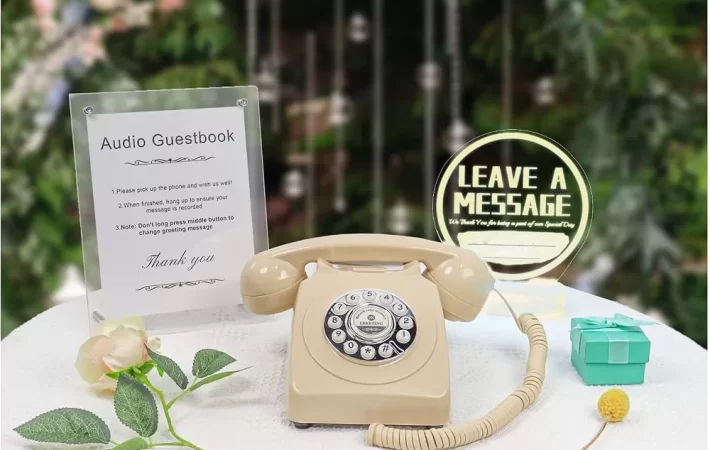
Event Creation provides welcome signs and event displays that can support personal wording. Explain the purpose of each sign, the exact approved copy and who will check it. A sign should communicate the couple’s chosen identity clearly rather than attempt to settle a family decision through design.
Incorporate heirlooms with clear ownership
A family object can bring meaning that a new rental cannot reproduce. If the couple wants to include one, describe what it is, why it matters and the role it will play. Provide a photograph and any relevant information the decorator needs to assess its presentation.
Identify who brings it, who is allowed to handle it and who takes it home. Do not assume that the styling team has agreed to transport, move or safeguard a personal item simply because it appears in the concept. Discuss those responsibilities explicitly and keep them within the confirmed arrangement.
If an item cannot be incorporated as originally imagined, consider another respectful way to acknowledge it. A photograph, a private use or a different position may better suit the event. The family should approve that choice so the adaptation preserves the intended meaning rather than merely solving a visual problem.
Keep ceremonial presentation distinct from reception styling
The ceremony and reception serve different purposes. A ceremonial arrangement may require particular positioning or handling, while a reception display is designed around dining, conversation and photographs. Do not assume an element can move from one role to the other without discussion.
Ask which items may remain visible after the ceremony and which should be collected by a named person. If a piece is reused, confirm the second role and handling arrangement with the appropriate family contact and supplier. Meaningful objects deserve the same practical planning as rented decor, with additional attention to the family’s instructions.
The overall design can still carry a consistent palette or texture between the two settings. Continuity does not require moving every object. A reception can echo the ceremony’s visual direction while allowing ceremony-specific elements to retain their proper role.
Use flowers to support the chosen meaning
Flowers can connect different parts of the wedding visually, but their selection should follow the couple’s preferences and the approved context. If a flower or colour carries particular significance for the family, explain that rather than assuming the designer will know the intended interpretation.
Event Creation’s floral services include rental arrangements and custom fresh design. Discuss the desired appearance, placement and any meaningful requirements as part of the floral brief. The supplier can then explain what is suitable for the selected scope and event conditions.
Avoid assigning universal meanings to colours or flowers across cultures. The relevant question is what the couple and their families intend here. A precise explanation of a personal choice is more useful than a broad claim that every guest from a particular background will interpret it the same way.
Plan the program around meaningful transitions
If the wedding includes more than one ceremony element or family custom, the program should explain how guests move between them. Decide who introduces each moment, what context guests need and whether another activity pauses. The decor may support the moment, but the hosting makes its place in the day understandable.
Keep explanations proportionate. Guests may need a short introduction to appreciate what is happening, without a long lesson that interrupts the event’s flow. The couple and the person leading the relevant moment should approve the wording and tone.
Share these transitions with the coordinator. A meaningful element can depend on a specific person, object or cue being ready. The working plan should identify those dependencies so the moment is supported intentionally rather than inserted into the schedule as an unexplained heading.
Consider the experience of guests from each family
Ask what a guest who is unfamiliar with part of the program will need to participate respectfully. Clear directions, understandable introductions and a welcoming host can make a significant difference. Do not expect decor alone to explain a tradition or communicate a change in the program.
Offer information without singling people out unnecessarily. A shared announcement can explain what everyone is invited to do, while individual questions can go to a named contact. Guests should not feel tested on whether they already understand the family’s customs.
The reception should also allow people to meet outside the formal moments. Conversation, photographs and shared activities can connect guests from different parts of the couple’s lives. The wedding brief can name that goal so the program and styling support connection as well as representation.
Review personal displays for privacy and comfort
Family photographs, stories and names can be deeply meaningful, but their inclusion should be intentional. Ask the people concerned whether a proposed image or detail is appropriate for the setting. An organizer’s affection for a memory does not automatically make it comfortable for public display.
This matters in families with complex relationships as well as families bringing together different traditions. The couple may want to honour several people without making the decor explain their entire family history. Use the wording and presentation they choose instead of imposing labels that simplify relationships inaccurately.
Keep private context out of supplier documents unless it is necessary for the work. A decorator may need to know which photographs belong together and where they go, without needing the personal story behind every placement decision. Clear instructions can protect both accuracy and privacy.
Assess new suggestions against the agreed brief
Families may remember another meaningful detail after the design is underway. Welcome the information, then review what including it would change. It might affect wording, space, the program or the responsibilities of someone on the day. Treat it as a proposal until those effects are understood.
The couple can decide that a new suggestion belongs in another format. A family message might be better spoken than printed, or a private photograph might belong in a keepsake album rather than the welcome display. Inclusion does not have to mean adding another item to the room.
Once a change is approved, update the working brief and notify the affected supplier. Keep earlier alternatives separate. The team should not have to infer which family conversation produced the latest decision while preparing the final pieces.
Conduct a meaning review and a design review
Before final approval, review the brief in two ways. First, check meaning: are the selected traditions, names, objects and wording represented as intended? Then check design: do the pieces work together, remain readable and support the people and moments they frame?
Different reviewers may contribute to those checks, but their feedback should be consolidated. If a design change affects meaning, return it to the appropriate person rather than assuming that visual improvement is automatically acceptable. If a meaningful requirement affects the design, ask the designer how best to accommodate it.
Record the approved result clearly. This gives the working team a reliable reference and helps the couple feel that important details have been considered. The aim is a thoughtful wedding brief, not an endlessly expanding approval process.
Hand the confirmed plan to the people running the day
The coordinator needs the approved arrangement, the important cues and the people responsible for personal or ceremonial items. They should also know which details may be adjusted and which require the couple or a named family contact to approve a change.
Event Creation’s planning and coordination services can be discussed around that scope. Explain the traditions and responsibilities relevant to the work, and ask for the selected support to be confirmed. A broad request to manage the wedding does not replace the specific handoffs a meaningful moment may require.
Prepare a simple collection plan for heirlooms, personal signs and other keepsakes. The end of the reception should not leave family members guessing which objects belong to whom. Clear ownership lets the day close with the same care given to its opening.
Build a wedding that feels like the couple
A shared brief does not require blending every tradition into one indistinguishable style. It allows the couple to choose what belongs, explain why it matters and present it with care. The resulting wedding can hold different family influences while remaining a coherent expression of the people getting married.
Bring the meaningful references, approved wording and unresolved questions into the first design conversation. It is better to identify a detail that needs family guidance than to let a supplier fill the gap with an assumption. The brief can develop as those decisions become clear.
To begin that conversation, share your wedding plans with Event Creation. Include the venue, date and the family elements you want to honour. A careful brief gives the design team a clear direction and gives the couple room to celebrate their own shared beginning.
Planning your own event? Share the date, venue and the look you want. We will contact you within 24 hours to talk through design ideas and pricing.