How Guest Count Changes an Event Decoration Quote
A larger guest list does not increase every decoration cost in the same way. Some items follow the number of tables. Others are tied to the size of the room, the main photo area or the service period. Understanding that difference helps you request a useful quote instead of multiplying the entire decoration budget by the change in attendance.
For example, adding guests to an existing seating arrangement may leave the main backdrop unchanged. Adding another dining table may require another centrepiece. Moving to a larger room can change the scale of the focal installation even if the guest increase is modest. The cost question is what the attendance change does to the event’s physical and service needs.
This guide explains how to separate those effects. It is intended to support a conversation with Event Creation using your actual layout and selected services. The examples are hypothetical planning exercises, not package prices or recommendations about how many people a venue should accommodate.
Separate three kinds of cost
Begin by dividing the proposed scope into three groups: pieces counted individually, installations designed for a location and services booked for a defined period or format. These groups respond differently when the guest count changes.
Individual pieces might include table centrepieces or selected personal items. A main backdrop or entrance installation may instead be designed for a particular wall or photo position. A booth or entertainer has its own service scope, which should be reviewed against the event program rather than assumed to grow at a fixed rate per guest.
Use those categories to read the quote. You should be able to identify which quantities might change directly and which require a design or service discussion. This approach is more useful than asking for one general price per guest when the order contains several types of work with different purposes.
Turn the guest count into a table count
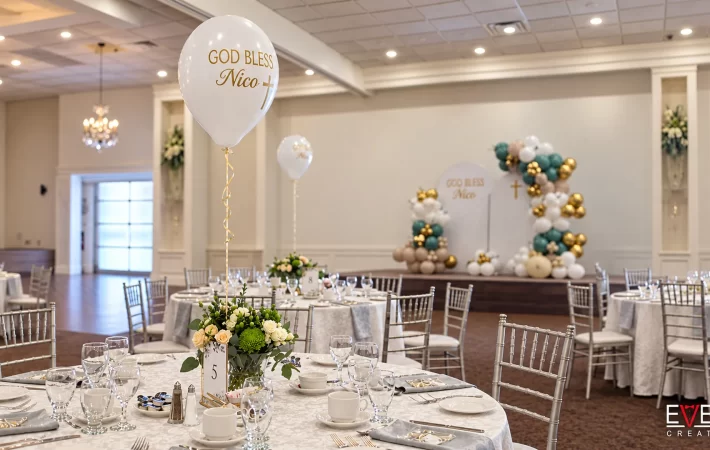
Table decoration is usually easier to quote from a layout than from an attendance number alone. Ask the venue to confirm the proposed table arrangement, then count the tables that need the selected treatment. Note any tables with a different role, such as the head table or a family table.
In a hypothetical example, a plan with six guest tables needs six matching table arrangements if every table receives one. If the approved layout changes to seven tables, the quantity becomes seven. The additional cost is associated with the extra arrangement and any related work, not automatically a proportional increase in every decorative item.
Do not choose table occupancy purely to reduce centrepiece spending. The venue and event requirements determine an appropriate seating arrangement. Once that plan is established, the decorator can quote the corresponding quantities. The budget should follow a suitable layout rather than push the room into a configuration that does not work for guests.
Count different table types separately
A dining table, cocktail table, cake table and registration table do not necessarily need the same decoration. If the guest list expands, some of those quantities may change while others stay fixed. Recording them separately makes the effect easier to understand.
For instance, a larger reception might add cocktail tables while keeping the main dining arrangement unchanged. The quote then needs to show the treatment intended for those additional surfaces. A small accent could be appropriate, but the choice should be designed rather than assumed from the dining-table centrepiece.
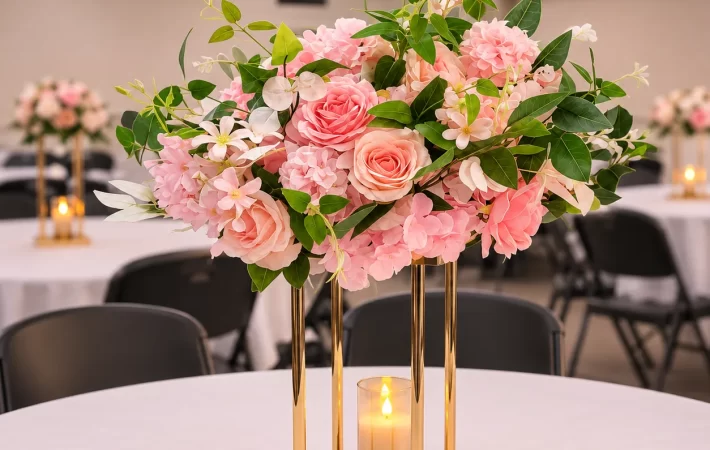
Event Creation’s table setup and centrepiece service provides a starting point for discussing the different surfaces in the event. Send a marked layout and describe which areas should feel related. This gives the team enough information to adjust quantities without turning every new table into a separate design problem.
Do not multiply a backdrop by attendance
A main backdrop is generally selected for its location and intended use. Its dimensions should support the people or objects appearing in front of it, but it does not automatically need to grow every time another invitation is accepted.
Ask whether the way it will be used has changed. If photographs remain small family groups or pairs, the same backdrop may still serve the event. If you now want a larger group portrait, a stage presentation or a wider head-table arrangement, the design may need review.
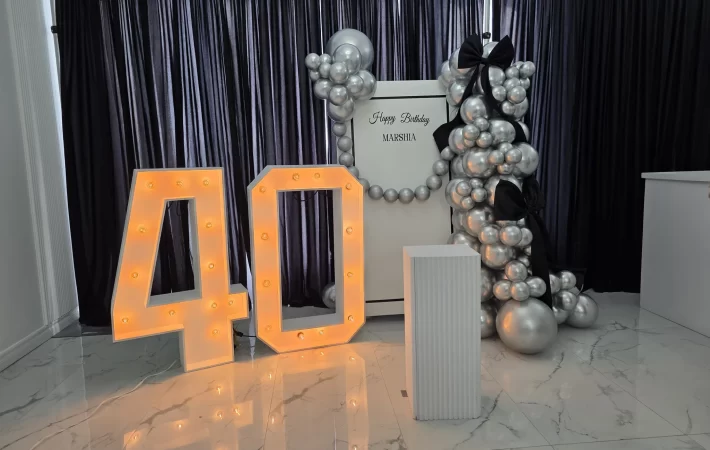
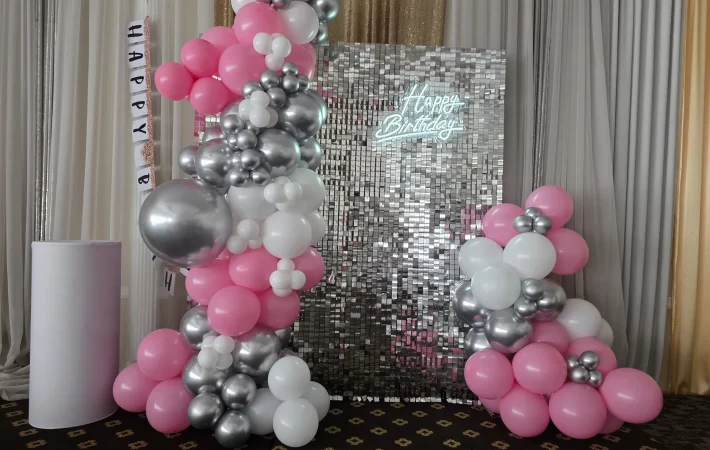
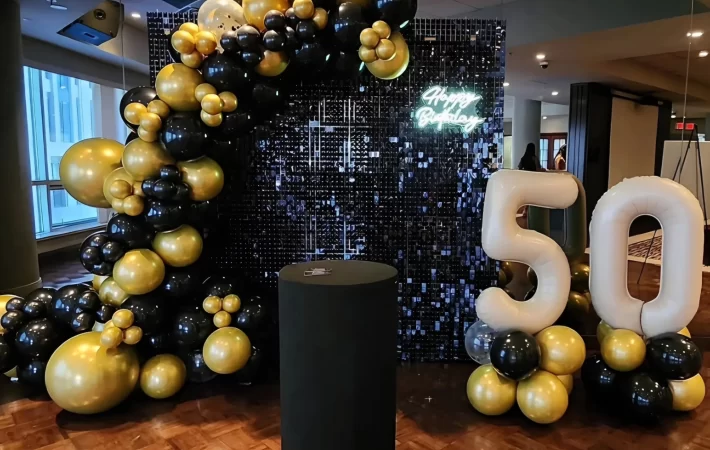
The backdrop rental service includes different starting options, but the right scale depends on the photo plan and room. Explain those needs rather than asking for a size based only on attendance. A guest-count increase matters when it changes the function or placement, not simply because the number is larger.
Recognize when a room change affects the budget
Sometimes the main consequence of a larger guest list is moving to a different room. That can change decoration more than the additional guests themselves. The new room may have a broader wall, taller ceiling, different entrance or less convenient access.
Send the new room information before assuming the original proposal remains suitable. Ask which pieces can remain as quoted and which should be adapted. You may be able to keep the main concept while changing dimensions or placement, but the team needs to assess the actual space.
Keep the reason for the revision clear. The quote is changing because the installation or work has changed, not because every extra guest carries an automatic decoration fee. That distinction makes it easier to compare alternatives, such as concentrating the design in one focal area rather than expanding decoration across the entire larger room.
Think about repeated accents as a quantity decision
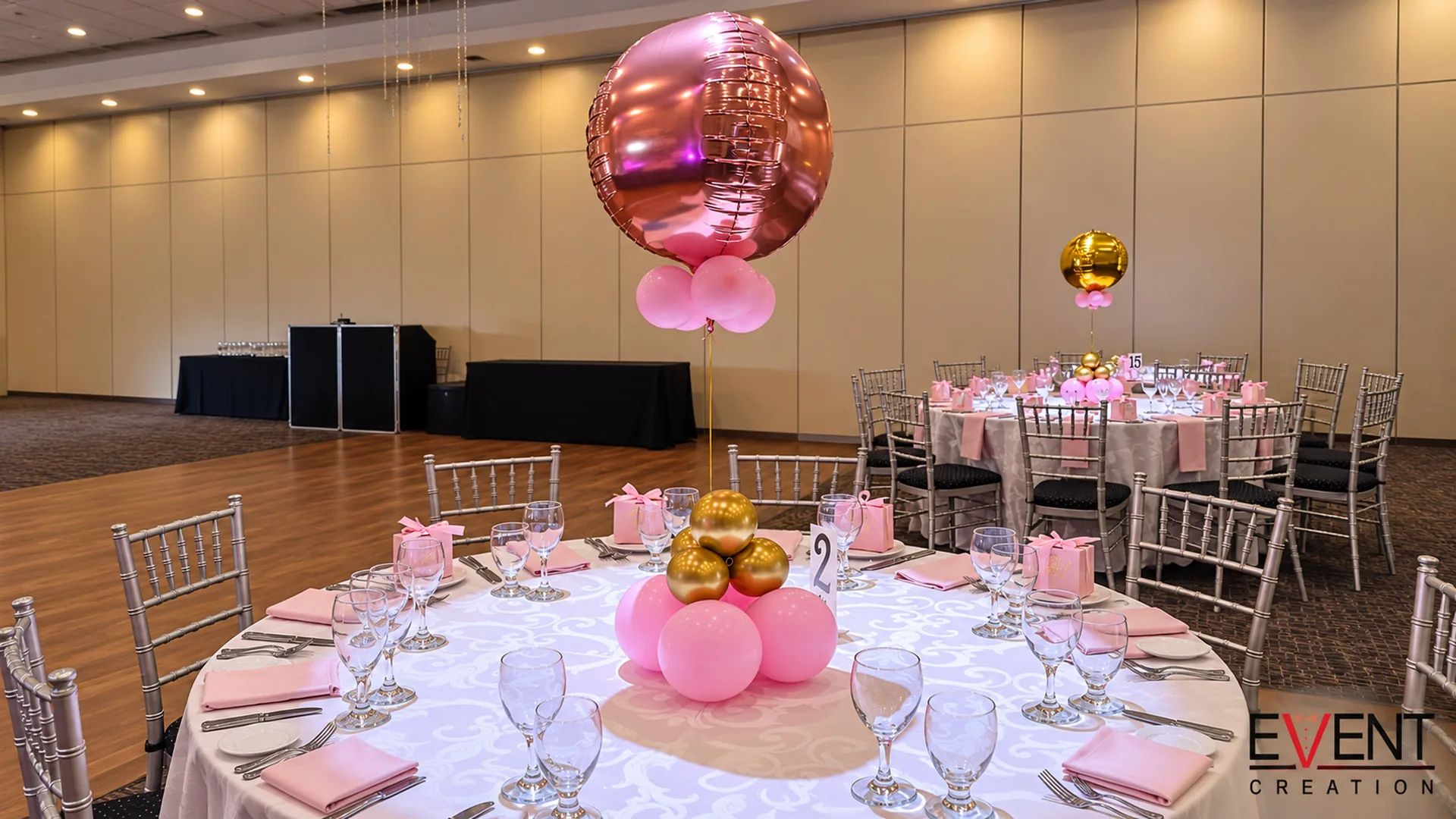
Some decorations repeat throughout the room: small floral pieces, balloon centrepieces or matching table details. Their overall cost depends on the number and type of placements. A larger guest list may increase those placements, but only after the layout is understood.
Ask the proposal to identify the quantity clearly. “Table decoration” is less useful than a description that tells you how many tables receive which treatment. If a mixed approach is proposed, record the number of each type rather than treating all arrangements as interchangeable.
The floral centrepiece options can be discussed as part of that plan. If quantities rise beyond the intended budget, ask about a coordinated simpler treatment rather than removing pieces randomly. The objective is a room that still feels intentional, with the spending adjusted through a coherent design decision.
Review guest activities by demand and timing
More guests can change how an activity is used, but the appropriate response depends on the service. A booth, performer or staffed experience should be reviewed with the provider using the event duration, audience and program. Avoid assuming a universal number of guests that any activity can serve.
Explain when guests are likely to participate. A larger group with a long open reception period presents a different situation from a shorter event where everyone approaches the activity at the same moment. The team can discuss the selected format and any scope adjustment that may be appropriate.
For Event Creation’s photo booth services, confirm the chosen booth, operating period and space requirements in the quote. A guest-count change is a reason to review the plan, not an automatic instruction to add another booth or extend the booking. Let the service discussion establish the useful option.
Consider the age mix as well as the number
A change in attendance can alter who is coming, not just how many. Adding several families with children may affect the entertainment brief differently from adding adult colleagues to a dinner. That can change the priorities within the event budget even when the room decoration remains the same.
Describe the audience accurately when requesting an entertainment quote. If the event includes children of different ages, give the provider the relevant information and ask what format suits the gathering. Do not expect a decorative package alone to address the needs of every guest group.
This may lead to a deliberate reallocation rather than a simple increase. You might retain the existing backdrop and use available funds for an appropriate activity. Alternatively, the program may already cover the guests well enough. The point is to review the guest experience before assuming that all additional spending belongs in more decoration.
Keep personal items separate from shared installations
Some event elements are intended for individuals, while others serve the entire gathering. Favours, certain personal flowers or individually specified items need their own quantity list. They should not be mixed with a backdrop or a single welcome display when assessing the effect of attendance.
Confirm who is meant to receive each personal item. A wedding’s personal-flower list may follow the people taking part in the ceremony rather than the total guest count. A favour plan may follow confirmed attendees or another agreed quantity. The quote needs the relevant count, not a general assumption.
If the list is not final, identify the quantity used for the estimate and ask how a later adjustment will be handled. This keeps the budget transparent. It also prevents an apparent discrepancy when the number of individually supplied items differs from the number of guests for a valid reason.
Separate décor from catering and seating budgets
Attendance often has a clear effect on food and seating, which can make hosts assume decoration works the same way. Keep these budgets connected but distinct. A catering adjustment does not automatically establish how the decorative scope should change.
Ask the venue or relevant supplier to confirm tables, seating and service needs. Then use that information to update the decoration plan. If a buffet or service area moves to accommodate guests, the decorator may need to reposition a feature even when its quantity stays the same.
This order of decisions avoids spending on decoration for a layout that later changes. It also helps explain the final quote to anyone sharing the budget. You can show which amounts relate to additional attendees, which relate to extra tables and which relate to a revised room or service arrangement, without collapsing them into one unclear per-person figure.
Use a quantity comparison instead of guessing a percentage
When attendance is uncertain, ask for a comparison based on two clearly stated layouts or scopes. For example, the proposal could show the selected table treatment for the current plan and the effect of one additional table. The supplier should determine how that revision affects the full order.
Keep the main installation and service assumptions unchanged when they genuinely remain the same. If they also need review, state that separately. This makes the comparison useful because you can see which part of the total responds to which decision.
Do not apply an arbitrary percentage increase to the entire budget. That method can overstate some costs and miss others. A quantity comparison grounded in actual pieces is more informative, especially when a large part of the order is a fixed-location installation that does not change with a small attendance adjustment.
Understand why fewer guests may not reduce every cost
A smaller guest list can reduce some quantities, but it does not necessarily remove the need for the main installation, delivery or setup. If the same backdrop is being built in the same room during the same access window, much of that scope may remain unchanged.
Ask for the revision to identify what is actually removed or simplified. Fewer table arrangements may change the order, while a fixed entrance piece remains. If your goal is a substantially smaller total, you may need to discuss a wider design adjustment rather than expecting the attendance reduction alone to achieve it.
The same principle protects you from unrealistic planning at the beginning. Do not assume that halving a guest list halves the cost of every event service. Review the quantities and work involved. A clearer understanding of fixed-location and repeated elements makes both increases and reductions easier to discuss.
Check whether guest movement changes the design
A larger gathering can change the way the room is used. More people may approach the photo area, move between tables or gather near an activity. That does not establish a specific decoration price, but it can reveal that an existing placement is no longer suitable.
Ask the venue and suppliers to review the layout where needed. A backdrop might remain the same size but move to another wall. A secondary decoration might be removed to preserve a usable area. These are practical design choices that can affect the quote differently from adding more pieces.
Keep the purpose of the change clear. You are not decorating every available space simply because more guests are coming. You are checking that the selected features still work within the event. Sometimes the better response to a fuller room is a more concentrated decorative plan rather than a larger number of objects.
Ask for one current scope after the count is settled
During planning, you may discuss several attendance estimates. Keep those discussions from creating several competing versions of the decoration order. Once the relevant count and layout are confirmed, ask for a current proposal that shows the selected quantities and remaining assumptions.
Review the table numbers, personal items, activity scope and any room-related changes. Confirm that optional additions have not been included by accident and that earlier ideas removed from the plan are no longer part of the expected setup.
Event Creation’s website describes changes and additions being discussed and re-quoted. Use that process to keep the financial picture clear. The current quote should reflect the actual event you intend to host, rather than require you to combine an original proposal with several later messages about extra guests and tables.
Work through a hypothetical table example
Suppose a venue-approved layout uses eight guests at each dining table. In this example, 48 guests occupy six tables and 56 occupy seven. If each table receives one centrepiece, the count rises from six to seven. That is one additional centrepiece, not eight, because the decorative unit is the table rather than the person.
Now suppose the host also has one photo backdrop, one welcome sign and one cake display. Those quantities may remain at one each, provided their purpose and placement still work. The supplier would review any related handling or design changes, but there is no reason to multiply each item by the attendance increase automatically.
If the larger group instead requires a different room, the comparison changes. The backdrop may need a different scale or position, and the setup conditions may differ. This is why the table example is only an arithmetic illustration, not a universal pricing rule. Use it to identify the questions behind the quote, then let the actual room, selected pieces and supplier’s proposal establish the cost.
Build a guest-count brief that helps pricing
Send the expected attendance together with the approved or proposed table layout, the number of decorated surfaces and the purpose of the main installation. Include the audience mix for activities and the required operating period for any selected service.
If attendance remains uncertain, say which quantities are provisional and what alternatives you would like to compare. This gives the team a practical basis for a quote and makes later revisions easier to understand.
Contact Event Creation with those details and ask how the guest count affects your specific scope. The most useful answer will identify the pieces, placements and services that change. That is a stronger basis for budgeting than treating every guest as an identical decoration cost.
Planning your own event? Share the date, venue and the look you want. We will contact you within 24 hours to talk through design ideas and pricing.