Event Add-Ons: Which Upgrades Belong in Your Quote?
An event add-on is worth considering when it improves a specific part of the celebration. It might help guests find their way, make the main photograph more personal or give people something enjoyable to do. It is less useful when it duplicates a feature you already have or adds a responsibility nobody has planned to manage.
The challenge is that small choices accumulate. A sign, a floral accent, an extra table treatment and another activity can each feel modest on their own. Together, they can change the event’s scope and total substantially. The best way to control that growth is to give every proposed addition a clear job.
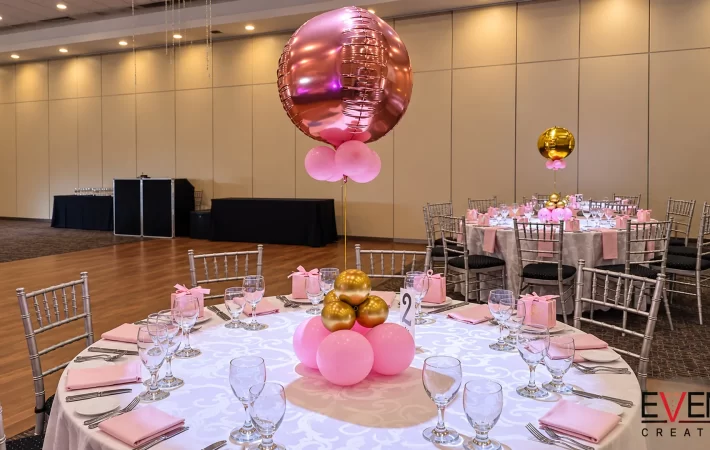
Event Creation’s event extras include items such as marquee numbers and letters, signs, audio guest books, sweet carts, displays and table styling. Photo booths and entertainment create further possibilities. This guide helps you decide which additions belong in your quote, which need more information and which can be left out without weakening the event.
Give each addition a one-sentence purpose
Before asking what an add-on costs, explain why you want it. “A welcome sign should tell guests they have reached the right celebration” is a clear purpose. “A personalized detail should make the main photo feel like this person’s birthday” is another. “It looks nice in the picture” can be a starting feeling, but it needs more thought before becoming a purchase.
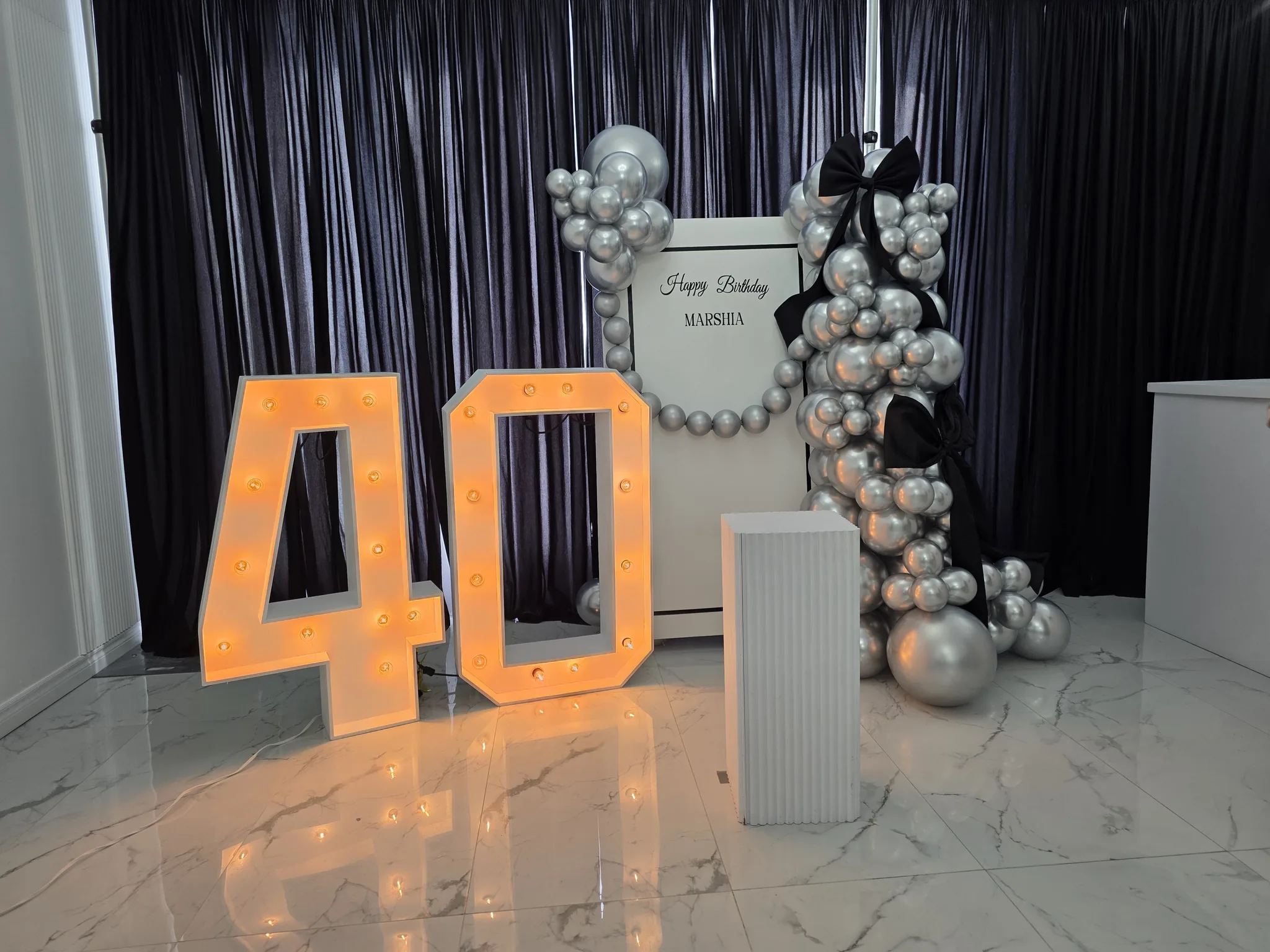
The purpose helps you choose between alternatives. A custom name and illuminated age numbers may both personalize a birthday setting, but they do it differently. You might want one, both or neither depending on the composition. If they compete for attention or repeat information already visible, adding more can make the setting harder to read.
Write the purpose beside each proposed item. When the quote grows, return to those sentences. Keep the additions that solve an actual need or support a priority. This gives you a more useful basis for decisions than ranking extras by how impressive their names sound.
Separate visual additions from guest activities
A visual addition changes how the event looks. An activity changes how guests spend time. They can support one another, but they should not be treated as interchangeable upgrades. A floral accent may improve the backdrop, while a photo booth creates a separate point of participation.
Think about the running order before adding an activity. Guests need time to use it, and it needs a suitable location. An event already filled with speeches, dinner and a performance may offer less opportunity for another experience than a relaxed reception with open time.
Visual additions also need a place in the room, but their success may depend more on placement and proportion than on a dedicated program slot. Keeping these two types of extras separate in your notes makes it easier to compare their value. You can then choose whether the remaining budget should improve the main setting or broaden what guests can do.
Make personalized signs earn their place
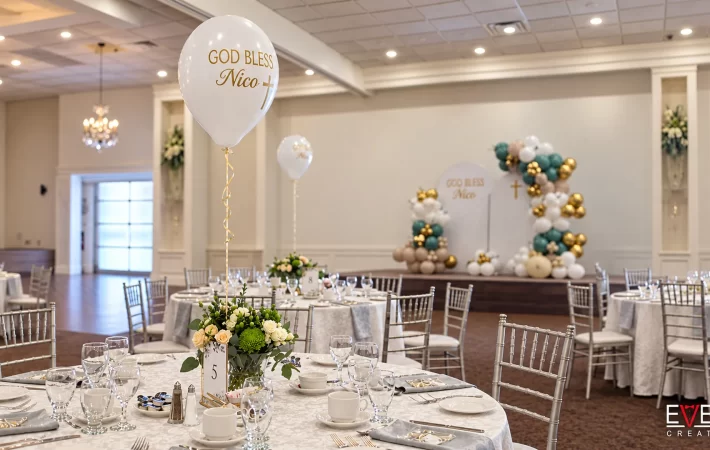
A sign can communicate a name, date, age, message or brand. Decide which information matters and where it will be seen. A welcome sign and a backdrop sign can serve different purposes, while several decorative messages in the same photo area may simply compete.
Ask how the proposed sign relates to the surrounding design. The wording should remain readable without crowding the flowers, balloons or people in front of it. If the sign is mainly intended for photographs, consider what will be visible when guests stand in their expected position.
Before approving the item, confirm the exact wording and the person responsible for checking it. If the design uses a logo or particular script, provide the approved material rather than expecting the team to recreate it from a small screenshot. A personalized addition is most valuable when it is accurate, appropriately placed and clearly connected to the occasion.
Choose marquee numbers or letters as part of the composition
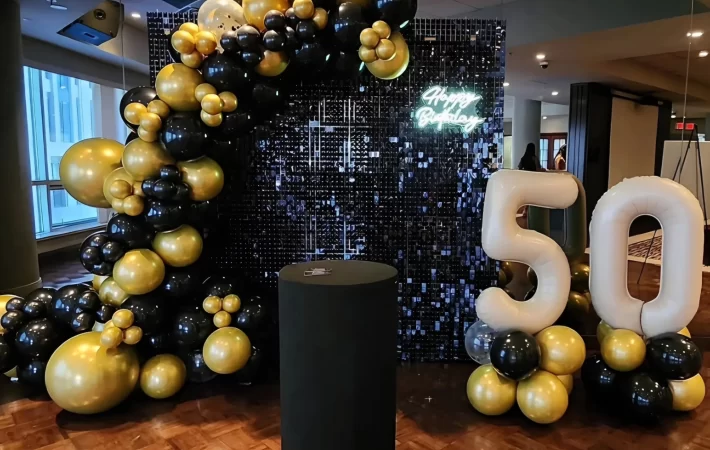
Marquee numbers and letters can give a celebration a strong focal point. They can also take up valuable floor space, so their role should be planned with the backdrop and tables. Event Creation has a dedicated marquee numbers and letters service to explore when the age, name or message is a central part of the event.
Think about what the numbers or letters replace as well as what they add. If a milestone display becomes the main photo feature, you may not need several other personalized elements competing around it. The arrangement can feel more deliberate when one message leads and the surrounding decoration supports it.
Ask the quote to identify the selected characters, decorative treatment and placement. Discuss the practical requirements with the supplier and venue. The fact that an illuminated item looks attractive in an inspiration image does not establish that it fits the floor plan or is included in a backdrop proposal you have already received.
Use floral accents to connect existing pieces
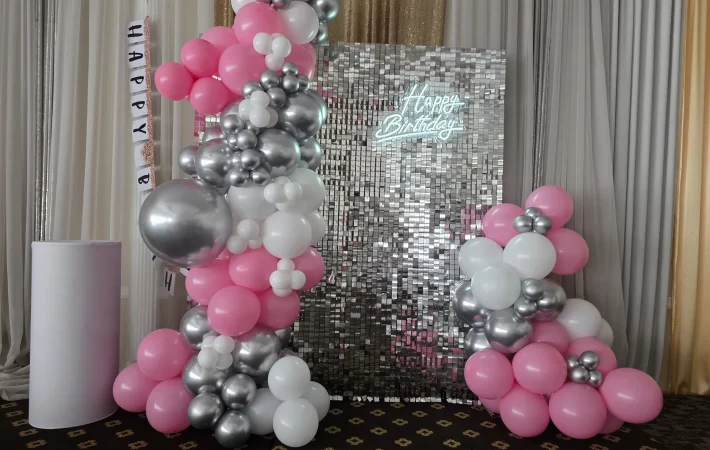
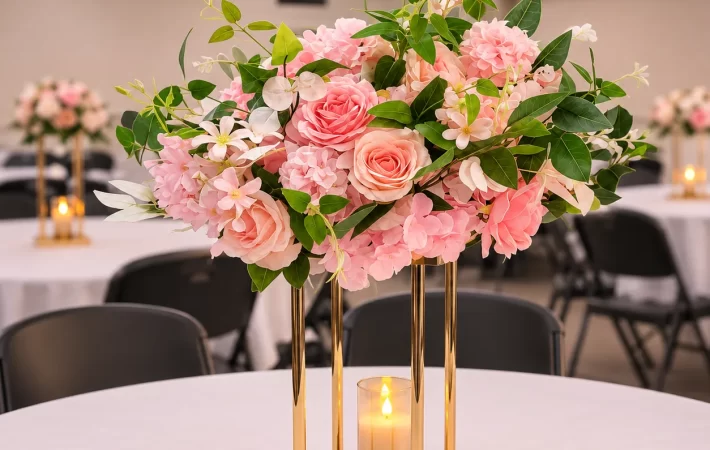
A floral or pampas accent can soften a backdrop, connect colours or relate a photo setting to the table arrangements. Its value depends on what it contributes to the whole composition. Adding flowers to every available surface is a different scope from using a few accents to create continuity.
Explain whether the accent should be subtle or a prominent feature. Ask where it sits and what size or treatment the quote assumes. A small detail beside a sign should not be confused with a full floral surround. If fresh flowers are proposed, confirm the custom floral scope rather than assuming the catalogue accent price applies.
An accent can be a useful alternative to another large structure, especially when the main backdrop already has the right scale. But it should still be selected deliberately. Look at the complete palette and material mix, and ask whether the addition improves the design or simply fills a space that could remain open.
Treat an audio guest book as a planned station
An audio guest book offers a different kind of keepsake from a photograph. It also needs a clear place in the event and a simple way for guests to understand that it is available. If you are considering Event Creation’s audio guest book service, ask about the specific setup and what the booking includes.
Think about the experience from a guest’s perspective. They should be able to find the station, understand its purpose and use it without feeling rushed or exposed. Its location should suit the event’s sound and movement, while remaining connected enough to the celebration that it is noticed.
Confirm operational details in the quote rather than assuming them. Ask how instructions are provided, what responsibilities remain with the host and what happens after the event. You do not need to decide those details from a product photograph. The value comes from a station guests actually use, supported by a clear plan for the service you are booking.
Ask whether a sweet cart changes the service plan
A sweet cart or treat station can become a visual feature and a place guests visit. It may involve several separate elements: the display furniture, styling, desserts, serving items and any person responsible for replenishing or managing the area. The quote should make those boundaries clear.
If you already have a baker or caterer, explain what they are providing and when it will arrive. Do not assume that a styled cart includes the food, or that a dessert order includes the decorative cart. The components can work together, but someone must coordinate their size, placement and timing.
Consider whether the station provides something different from the existing dessert table. It may be useful as a dedicated feature for the occasion, or it may duplicate a service already included by the venue. Ask for the complete arrangement before judging the price. A cart alone and a fully supplied guest station are not the same scope.
Evaluate display walls by their actual use
A champagne wall or another display can create a memorable presentation, but the decorative structure is only one part of the experience. The host needs to understand how it will be used, what items it will hold and who manages the service around it.
Ask the supplier and venue to confirm the arrangement appropriate to the event. Do not assume beverages, glassware, replenishment or serving staff are included merely because they appear in a reference photograph. Keep those responsibilities visible in the proposal and coordinate them with the people providing food and drink.
The display should also fit the flow of the room. If guests will stop to take something from it, allow that activity to be considered in the placement plan. Its value depends on a smooth guest experience and a clear service arrangement, not simply on adding another attractive surface to the decoration list.
Compare a photo booth with the event’s existing photo plan
A booth gives guests a dedicated experience, while a decorative photo area can be used with their own phones or a photographer. The two can complement each other, but you should know why you want both before adding them to the quote.
Review Event Creation’s photo booth options and discuss the type of event, available space and desired operating period. Ask how the selected service fits with the main backdrop rather than assuming every decorative surface can serve every booth arrangement.
Consider the program as well. If guests will be seated for most of the booking, the available usage window may be limited. If the event includes open social time, the booth may become an activity in its own right. Choose the scope based on when and how guests can use it, and confirm the actual inclusions and hours in writing.
Add entertainment for a specific group or moment
Entertainment is most useful when it suits the people attending and the part of the event that needs energy or focus. A children’s entertainer, DJ or live performance serves different needs. Start with the audience and program instead of choosing whichever addition seems most popular in other event photographs.
Describe the ages or audience mix, the intended time and the area available. Ask what the selected service needs from the venue and host. If several activities are being considered, check whether they can coexist without competing for attention or space.
Keep the entertainment quote separate enough that you can see its duration and scope. An appealing starting price does not establish the cost of every event format or schedule. If the overall budget is limited, compare one well-timed activity with several shorter or less clearly integrated additions. A focused choice is often easier to plan and understand.
Let special effects remain a specialist discussion
Event Creation lists dry ice and cold spark among its event extras. These should be considered through the specific service and venue approval process, with the provider determining what is appropriate. A photograph of an effect is not a setup instruction or a promise that it can be used in every room.
Before including an effect in your budget, identify the intended moment and ask the team what needs to be confirmed with the venue. Keep its timing, scope and responsibilities clear in the proposal. Do not assume the decoration team, DJ or venue staff will manage a separate service unless that role has been agreed.
Also consider whether the effect supports the event’s priorities. If it is meant to frame a first dance or reveal, the program must give that moment room to happen. An extra is more valuable when it has a defined place in the celebration than when it is added because it appears dramatic in an inspiration video.
Compare optional additions without losing the base quote
Ask for a base proposal that already feels complete. Then list the extras as options with their corresponding scope. This allows you to evaluate additions without wondering whether the event will look unfinished if you decline them.
For each option, record the purpose, price, space requirement and any extra decision it introduces. Some additions need wording approval; others need a service window, food coordination or venue confirmation. These responsibilities belong in the comparison alongside the amount.
If you are choosing between alternatives, ask for the total with each one rather than adding figures from different versions yourself. This avoids accidentally combining an old package price with a newly revised item. The written proposal should make it obvious which combination you are accepting and which ideas remain outside the booking.
Watch for additions that duplicate the same benefit
Several extras can promise personalization, several can create photo opportunities and several can occupy guests. That does not mean you need one from every list. Look at the event as a whole and ask whether the additions give guests meaningfully different experiences.
A personalized backdrop, age numbers and a custom welcome sign can work together when each has a distinct role. They can also repeat the same message without improving the setting. Likewise, multiple activities may be less useful if guests have little free time between scheduled events.
When reducing the quote, remove duplication before cutting the feature you care about most. This approach preserves the event’s main character while simplifying the order. It also makes the final plan easier to operate, because every retained element has a reason to be there and a clear place in the room or program.
Try a removal test before committing
Imagine the event without one proposed extra and describe what guests would lose. If removing a welcome sign makes the entrance confusing, the sign has a practical role. If removing an audio guest book means giving up a keepsake the host values, that is a clear personal tradeoff. If removing another decorative accent changes very little, it may be a lower priority.
The test is useful because it moves the discussion away from whether an item is attractive in isolation. Many extras are attractive. The budget question is whether this particular celebration benefits enough from the item to justify its cost and requirements.
Try the exercise with the person sharing the spending decision, using the actual room plan. You may find that you value different features for understandable reasons. One person wants a strong photo setting; another wants guests to have an activity. Ask for the relevant options and choose the combination that supports the agreed priorities. You can enjoy the ideas you leave out without treating them as missing pieces of the finished event.
Make one final review of the combined scope
After choosing the extras, review the complete proposal rather than approving each item in isolation. Check the room layout, operating times, delivery arrangements and collection responsibilities. An addition that works on its own may need adjustment when placed beside the rest of the event.
Confirm which decisions are still pending and who will provide them. That might include sign wording, a logo file, dessert quantities or a venue answer. Keep those tasks connected to the accepted quote so a selected option does not remain incomplete until setup day.
To discuss a considered combination, contact Event Creation with your event details and the purpose of each extra you are considering. Ask for a complete base design and clearly described options. The result should be a celebration where the additions contribute to the experience, with a budget that reflects deliberate choices rather than an expanding wish list.
Planning your own event? Share the date, venue and the look you want. We will contact you within 24 hours to talk through design ideas and pricing.